Table of Contents
ToggleChoosing between a custom porch builder and a general contractor can look simple on paper, but the real difference shows up later, when the structure meets weather, daily use, and the way your household actually lives in that space.
For homeowners across NJ and nearby areas, the decision usually comes down to scope. A general contractor can handle many outdoor construction projects, while a dedicated porch builder works with a narrower focus and more precise planning. That difference matters whether the goal is a front porch, a back deck, a custom deck, or a new deck that has to work with the house long term. In many cases, the discussion expands beyond one new deck and turns into a broader conversation about how a future deck addition or a reworked back deck could change the entire outdoor area around the house. The cost of building a new deck or porch can vary widely based on square footage, materials, project intricacy, and local code requirements.
At Deck Guardian, this distinction comes up early in conversations. Not because one option is always better, but because the wrong fit can quietly shape the entire project before construction even begins.
A Front Porch Is Not Just a Smaller Deck
A porch may look like a smaller deck, but it behaves differently. It ties into entry points, the roofline, and the way the house reads from the street. A front porch can change curb appeal, daily use, and the feel of the outdoor area.
That is why planning matters so much. A general deck contractor may approach the job as an extension off the house, while a porch builder usually treats it as a structural and architectural transition from the start. That difference becomes easier to notice over time, especially when the goal is a dream deck, a beautiful deck, or a new deck that belongs with the rest of the home. The same thinking also matters when homeowners compare different layout options and try to decide which one will serve the outdoor area better over time.
Where a Deck Contractor or General Contractor Usually Works Well
Hiring a general contractor can make sense when the project includes several unrelated elements, such as patio work, fencing, and minor structural updates across the backyard. That kind of oversight can keep the work moving efficiently.
General contractors also work well when the design is already finished, and execution is the main task. The limitation usually appears when the project depends on design judgment, not just installation, or when a new deck or wood deck has to feel integrated with the house rather than simply attached to it.1 That becomes even more noticeable when the new deck is only one part of the entire project and has to connect visually to the entry, the patio, and the wider outdoor area.2 Porch construction costs are also shaped by local building codes and the need for a proper foundation, which is why homeowners should ask whether a contractor has the right license, insurance, and code familiarity before the job begins.
Why Porch Builder Experience Changes the Outcome
A custom porch builder starts differently. Instead of opening with materials or cost, the conversation usually begins with how the space will be used: morning coffee, evening gatherings, dining, lounging, and how the structure connects visually to the house. A porch should support real daily use, whether that means hosting events, creating memories with family and friends, or dividing the space into distinct lounging and dining zones.
That shift affects everything that follows. A custom deck or porch built with that mindset tends to feel intentional, and the layout supports daily life instead of forcing adjustments later. This is especially true on a front porch, where scale, roof integration, railings, and design ideas affect curb appeal and long-term durability at the same time. Features such as layered outdoor rugs, warm lighting, patterned accents, contrasting door colors, and comfortable seating can turn the porch into a true outdoor living space while making the process feel more stress-free from planning to installation.
The Structural Side Most Homeowners Don’t See
One of the biggest differences between a general contractor and a specialized porch builder is how early structural decisions are handled.
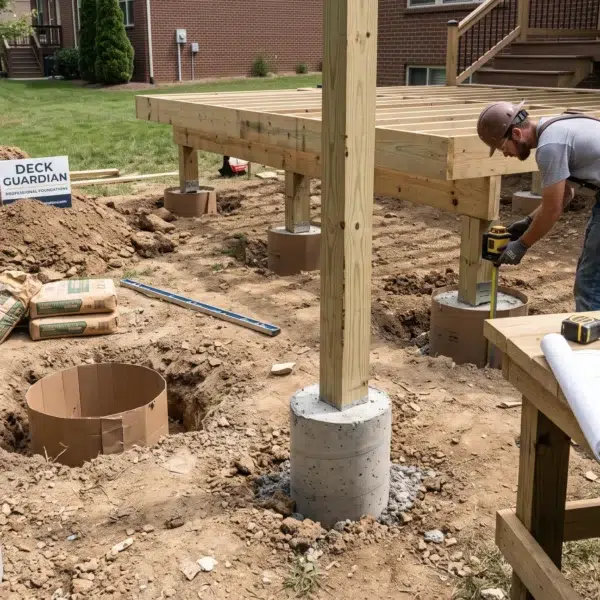
A porch often carries more load than an open deck. Roofing elements, snow load in NJ, roof tie-ins, and the connection to the house all matter.3 A porch-focused builder usually plans around those conditions from the start, because even a minor issue is easier to prevent than correct later. If a covered porch ties into an existing roof system the wrong way, moisture control, ventilation, and long-term performance can become recurring problems. This is where workmanship matters most: in the details that determine how the structure performs over time.
Porch Ideas Should Stay Consistent With the House
A porch sits in a more visible position than most backyard structures, so it becomes part of the home’s identity. That is why a porch builder usually spends more time aligning materials, proportions, and finishes with the existing house. Whether the choice is a wood deck with traditional railings or composite decking for a low-maintenance outdoor area, the goal is the same: the structure should look like it belongs there. Custom porches can add charm, improve curb appeal, and be designed to support the home’s architecture. That is often the difference between a new deck that feels temporary and a new deck that strengthens the outdoor area visually.
That approach usually leads to a porch or deck that looks settled and natural. Some proposals are driven by speed. Others show more craftsmanship and a clearer path to a beautiful deck, a new deck, or a dream deck that still makes visual sense years later.
Material Choices That Reflect Real Use in a Custom Deck or Porch
Material selection is where many projects quietly succeed or fail.
A general contractor may stick with standard materials that translate easily from one job to the next. A porch builder is more likely to adjust those choices based on use, climate, and long-term performance. In New Jersey, that matters. Humidity, moisture exposure, and seasonal temperature swings all affect how a porch performs. Composite decking can be a smart low-maintenance choice, while wood may still be the better fit for homes where style and architectural consistency matter more. The priority is choosing what makes sense for the way the outdoor area will function over time.
Planning vs Execution: Where Projects Diverge
Homeowners often meet with several contractors before choosing a team, and the differences usually become obvious in conversation. Some focus first on logistics, while others spend more time on layout, planning, and how the project fits with the rest of the home.
Neither approach is wrong. They simply reflect different priorities. But projects that depend on stronger upfront planning usually move more smoothly once construction begins, with fewer revisions, fewer avoidable delays, and a more stress-free process overall.
That is why understanding why hiring the right contractor matters becomes more than a general recommendation. It directly affects how the entire process feels from start to finish.
When the Scope Expands Beyond a Porch or New Deck
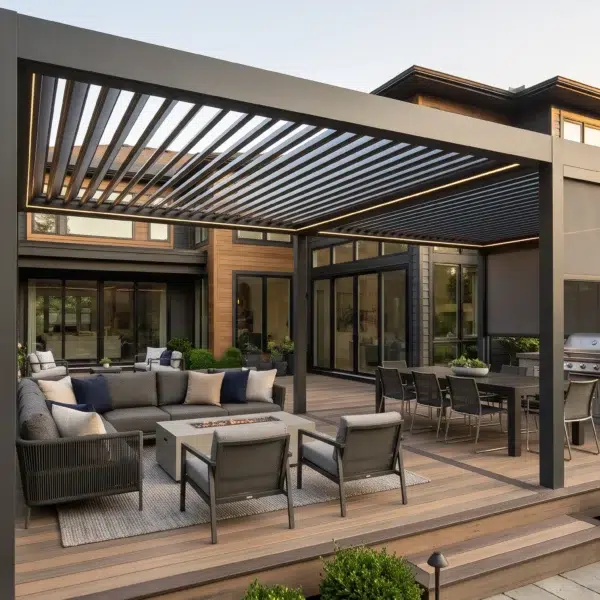
A porch project does not always remain just a porch project. It may start with replacing an old deck or updating an entry structure, then expand into a back deck, patio elements, or a louvered roof for better shade and weather control.
That is where it helps to work with a team that can carry the same logic through design and construction across the entire project. The result is a more cohesive outdoor area instead of one that feels assembled in stages. That can matter just as much on a new deck as it does on a front porch. In some homes, the conversation also includes privacy curtains, trellises with climbing vines, mosquito control for unscreened areas, or weatherproof speakers and outdoor TV for entertainment.
This is also where a tailored porch design and build approach helps maintain balance between aesthetics and function. Each addition supports the previous one instead of competing with it.
Cost, Timing, and Long-Term Value for a Dream Deck or Porch
Cost always plays a role. A custom porch builder will not always be the cheapest option upfront. A small, basic porch often falls in the range of roughly $5,000 to $10,000, but real pricing depends on size, materials, design complexity, foundation work, and code requirements.
Over time, that gap can narrow. Projects planned well from the start tend to avoid early repairs and unnecessary upgrades. Professional contractors can provide more accurate cost estimates based on the actual details of the job, and a well-built porch is often a more affordable exterior upgrade than major interior remodeling. When it is built properly, it becomes part of everyday life rather than something that only looks good on paper. The same is true for a new deck that has to function as a practical outdoor area, not just a photo-ready upgrade.
Real-World Decision Points
In most cases, the choice between a general contractor and a porch builder is not complicated. It comes down to scope, quality pros, and the kind of structure you want to build.
If the project is simple and requires little design judgment, a general contractor can do a very good job. When it becomes more structural, more visible, or more important to daily outdoor use, a porch builder often delivers a more refined result. A professional contractor can also help homeowners decide between an open porch and a screened porch based on how they want to use the space. The goal is simply to match the scope of the project to the expertise required to execute it well, whether that means a front porch, a wood deck, a custom deck, or a new deck.
For homeowners currently planning a front porch upgrade in NJ, this distinction can save both time and frustration during the project.
The goal is not to overcomplicate the decision. It is to match the scope of the project with the level of expertise required to execute it well.
What a Better Process Actually Feels Like
You can usually feel the difference early when the right team is involved.
The process has more structure to it. Questions get answered in a way that actually helps. Design changes feel intentional. The job moves forward without everyone stopping to rethink basic decisions every few days, which helps keep the entire process smooth.
That does not mean the project will be free of complications. Construction rarely works that way. Weather can interfere, materials can take longer than expected, and schedules can shift. But the overall experience still feels more controlled.
Homeowners often describe that kind of process as stress-free, even when the build itself is complex, because good communication, excellent customer service, and planning make all the difference.
That usually has less to do with luck and more to do with planning, communication, and knowing how the structure needs to perform once it is finished.
FAQ
What does a custom porch builder do differently?
They usually approach the project with more attention to porch design, structural performance, and how the finished build will relate to the house as a whole, with a stronger focus on quality workmanship, detail, and long-term customer satisfaction.
Is a porch harder to build than a deck?
In many situations, yes. A porch often includes added structural and architectural demands that do not come with a standard deck.
Can a general contractor build a porch?
Yes. For simpler jobs, that can work just fine. When the project is more complex, a specialized builder often brings more relevant experience.
How do I know which contractor to choose among quality pros?
The scope usually answers that question. If the project has more structural depth or more visual impact, specialised knowledge becomes more valuable, especially when you want a top-notch result rather than the fastest possible build. That is often what separates an excellent job from a rushed one.
Does a porch increase home value?
It can, especially when it adds functional outdoor space and improves the way the home presents itself.
What materials work best for porches in NJ?
Both composite decking and treated wood are common in New Jersey. The better choice depends on the style of the house, how much maintenance the homeowner wants to take on, and whether the goal is a more traditional porch or a beautiful deck with a lower-maintenance finish.
How long does a porch project take?
There is no fixed answer. Design details, permit timing, local weather, final clean-up, and the complexity of the job all play a role.
Should I plan a porch before contacting a contractor?
Yes, but only to a point. Having ideas is helpful, though a builder’s early feedback can lead to a better, more workable design and a more professional, top-notch result. Homeowners often describe that kind of guidance as the difference between an average outcome and a wonderful experience, a wonderful job, or even a fantastic job when the final design truly fits the house.