Expert insights from Deck Guardian on timing your New Jersey porch project to maximize value and minimize expenses. ⭐
For many New Jersey homeowners, planning a custom porch installation or upgrading an existing porch is more than just a home improvement — it’s a chance to expand outdoor living space and enhance the value of their home. Adding a screened in porch or other type of enclosed porch can transform a simple deck into a comfortable living space, perfect for relaxing, entertaining, or installing a porch swing. But what often surprises homeowners is how dramatically porch cost can vary depending on the season. Timing your project carefully can help manage both material and labor costs, potentially saving thousands.
New Jersey’s climate — cold winters, humid summers, and rainy springs — directly affects porch building costs, porch flooring choices, and porch foundation work, such as a concrete slab versus a raised deck design. Contractors across Somerset, Monmouth, and Morris Counties report that certain months are busier — and pricier — than others. According to Home Architect Studio (Jan 2025), even modest porch additions in the state average around $43,917, with additional expenses for permits, site prep, and building permits.
This guide will explore how screened in porch costs and other prefabricated porch costs shift across spring, summer, and fall/winter. You’ll learn about seasonal price trends for porch roofs and porch flooring, wraparound porch costs, raised porch projects, and more. By understanding these patterns, NJ homeowners can plan smarter, optimize square footage, and create an outdoor retreat that maximizes both comfort and investment.
Deck Guardian can help you navigate NJ’s seasonal trends to build the perfect enclosed porch or wood porch tailored to your outdoor space — reach out today for a personalized consultation.
Disclaimer: The information provided in this article is for general informational purposes only and is based on estimates, seasonal trends, and publicly available data as of 2025. Actual porch construction costs may vary depending on location, design, materials, contractor availability, and other factors specific to your project. Deck Guardian is not responsible for any costs, damages, or decisions made based on the information provided herein. Homeowners are encouraged to consult with a licensed contractor or professional before making financial or construction decisions.

What affects screened porch costs throughout the year?
When homeowners start researching the cost to build a screened in porch, they often expect a single, fixed number. The reality is more complicated — especially in New Jersey, where seasonal dynamics play a major role. Contractor availability, material pricing, weather delays, and even supply chain bottlenecks can all impact your final bill.
The most obvious factor is demand. Spring and early summer are peak building months in NJ, meaning contractors’ schedules fill quickly. Higher demand often translates into higher prices. That’s why the cost to build a screened in porch in April or May is typically higher than in late fall, when contractors may offer discounts to keep crews busy. According to Angi (Feb 2025), homeowners who schedule screened porch projects outside of peak season can save significantly, particularly when targeting late fall or early winter.
Materials are another driver. Lumber, screening systems, and roofing supplies can fluctuate in cost throughout the year, especially when hurricanes or supply chain disruptions affect distribution hubs along the East Coast. If you’re comparing the cost to build a screened porch to a standard open deck, screened options often require additional framing and finishing work, which makes seasonal price shifts more noticeable.
Weather also matters. New Jersey’s cold winters can freeze ground and delay foundation work, while hot, humid summers sometimes slow down crews. These climate patterns make planning ahead essential. When looking at overall porch construction costs, screened porches tend to be among the most sensitive to seasonal swings — both in materials and in labor scheduling.

How much do porches cost in different seasons?
If you’ve ever wondered how much do porches cost, timing is everything. Seasonal shifts can affect labor rates, material availability, and overall project efficiency. In New Jersey, understanding the differences between spring, summer, and fall/winter pricing can help homeowners plan more strategically and save money. Depending on materials, design, and size, NJ homeowners can expect porch prices ranging from $23 to $110 per square foot, with seasonal factors further influencing the total porch cost. Let’s break down the trends across the year.
Spring labor costs and higher demand (March–May)
Spring is the busiest time for porch construction. With warmer weather arriving and homeowners eager to enjoy outdoor living, contractors face peak demand. During spring, the per-square-foot cost often rises toward the upper end of the $110 range due to high demand for contractors and materials. That increased workload drives porch construction costs higher than at any other time of year. So, how much does a porch cost in spring? For typical screened porch additions in Somerset or Monmouth County, prices often start around $15,000 and can climb to $30,000, depending on size, materials, and finishes (Manta, 2025).
High demand also means limited contractor availability, which can extend timelines and add premiums. While spring offers ideal building conditions — dry weather and longer daylight hours — those advantages come at a cost. Homeowners planning spring projects should budget accordingly and book contractors well in advance.
Summer construction costs (June–August)
Summer offers a more balanced approach. Weather conditions are generally excellent, allowing crews to work efficiently, and material shipments are less likely to face delays. This results in moderate porch prices compared to spring peaks. For many NJ homeowners, summer can be the “sweet spot” for timing: reliable weather, solid contractor availability, and slightly lower costs.
Additionally, summer projects often benefit from predictable schedules, helping homeowners minimize unexpected delays. While savings compared to spring may be modest, efficient planning can reduce stress and keep budgets under control.
Fall and winter savings on a new porch (September–February)
The off-season — late fall through winter — is where homeowners can find the most significant discounts. Scheduling a project in late fall or winter may reduce costs by 10–20% per square foot, particularly for screened in porches or raised porches. With lower demand, contractors often offer incentives to keep crews busy. For screened porches, the cost to build a screened in porch can be 10–20% lower than during spring peak months. That said, colder temperatures and potential snow can slow site preparation, and weather-related delays are more likely.
Even with these trade-offs, the porch cost during fall or winter can be highly attractive for homeowners with flexible schedules. By carefully planning around potential weather interruptions, NJ residents can enjoy substantial savings without compromising quality (US News, 2025).
⭐⭐⭐⭐⭐
“Deck Guardian is the best. The composite manufacturer they use is Deckorators, which is very high quality as well as having a great assortment of colors. They also use Trex which I chose for the railings. The team did an expert job, were very skilled, conscientious, and polite. I couldn’t be more pleased with the new deck!”
– Susan G.

Covered back porch options and seasonal considerations
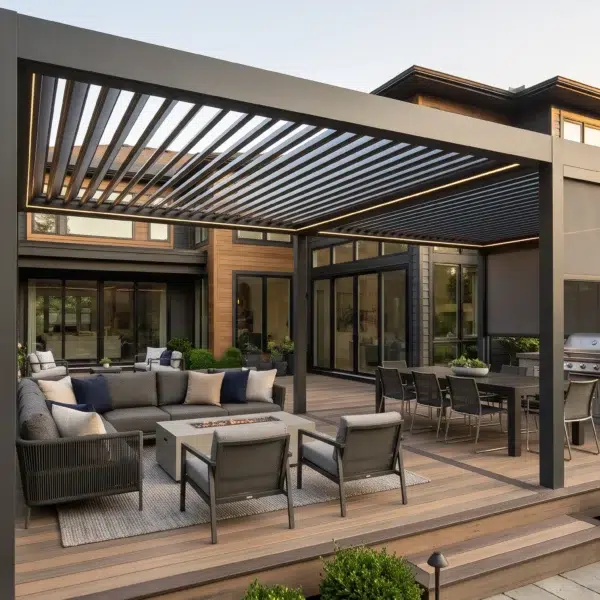
When it comes to enhancing outdoor living, a covered back porch offers more flexibility than a screened porch in terms of year-round usability. By shielding the space from sun, rain, and snow, homeowners can enjoy their back porches throughout New Jersey’s unpredictable seasons. This added protection also impacts construction timing and costs.
A covered back porch can be built using a variety of materials — from traditional wood and composite decking to premium aluminum or steel framing. Because the structure provides its own shelter, contractors can often work in early spring or late fall when weather might delay other projects. In contrast, fully screened porches typically require dry conditions for framing, screening, and finishing, which can restrict installation windows.
From a budgeting perspective, covered back porches generally have slightly lower labor intensity than screened alternatives, since fewer detailed finishing steps are required. That can translate to more predictable pricing and less sensitivity to seasonal fluctuations. However, material costs — roofing panels, posts, and railings — still influence final numbers, so planning ahead is key.
For homeowners considering a covered back porch versus a screened porch, it’s worth weighing both comfort and timing. If you prioritize an outdoor space that can be used in rain or snow, a covered option may allow for more flexible scheduling and lower seasonal premiums. On the other hand, screened porches offer insect protection and fresh air, but they are more sensitive to spring and summer price spikes.

Understanding the backyard porch planning process
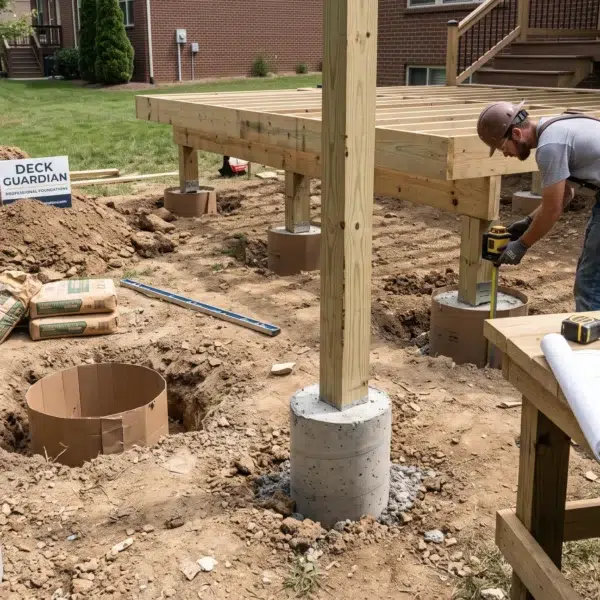
Planning the backyard porch requires careful consideration of location, access, and site preparation. In New Jersey, factors like property setbacks, drainage, and seasonal soil conditions can directly influence porch construction costs. Homeowners need to think about how their porch will integrate with landscaping, existing decks, and utilities while maintaining compliance with local building codes.
Placement is especially important for a rear covered porch, which is often the most popular option in NJ homes. These spaces provide privacy, optimal views of the yard, and easy access to outdoor entertaining areas. However, positioning a porch in the backyard can introduce challenges, such as navigating around trees, grading slopes, or accommodating existing patios. Proper planning helps avoid costly changes during construction.
Seasonal timing also matters. Site preparation — including foundation work, leveling, and utility hookups — is easier during milder months but may carry premium costs in peak season. Conversely, scheduling a backyard porch project in late fall or winter may reduce labor costs but could require extra planning to handle cold-weather groundwork. Careful scheduling and site preparation can save homeowners thousands while avoiding common delays.
Ready to explore covered porch options? Deck Guardian can help you design and build the perfect back porch for your NJ home — contact us today to start planning.

Porch material and design choices for New Jersey climates
Selecting the right materials is crucial for any porch, particularly in New Jersey, where humid summers and cold winters can challenge durability. Understanding the cost to build screened porch involves not just labor, but also material investments that withstand seasonal extremes.
For decking and framing, pressure-treated lumber and composite materials are popular choices. Composites resist rot, warping, and insect damage, making them ideal for NJ’s humid summers, while properly treated wood can handle snow loads and freeze-thaw cycles. Screening options, from aluminum mesh to vinyl-coated fiberglass, affect both upfront costs and long-term maintenance. Roof materials — shingles, metal panels, or polycarbonate coverings — also play a role in durability and pricing.
Different materials can impact how much do porches cost. For example, premium composite decking may increase initial costs but reduce ongoing maintenance, while basic wood may lower upfront expenses but require more frequent repairs or staining. Timing of installation can influence material performance: some decking and roofing materials are best installed in spring or summer when temperatures are moderate, whereas cold winter installations may lead to minor expansion or contraction issues.
By planning with NJ-specific climate considerations in mind, homeowners can balance aesthetics, durability, and budget. This approach ensures that screened or covered porches remain comfortable, safe, and visually appealing for years to come. Investing in quality materials during the right season can also reduce delays and unexpected cost overruns.

Rear porch versus front porch: location impact on costs
The location of a porch can significantly influence pricing in New Jersey. A rear covered porch often costs less to build than a front porch because access for construction crews is typically easier, and fewer adjustments are needed for street-facing aesthetics or landscaping. In contrast, front porch additions may involve more extensive grading, decorative elements, and curb appeal considerations, which can raise back porches’ overall construction costs.
Utilities and permits also vary by location. Rear porches usually have straightforward electrical and plumbing access for lighting or outdoor kitchens, while front porches may require additional coordination with public utilities or stricter municipal regulations.
For most NJ homeowners, a rear covered porch provides a balance of privacy, functionality, and cost-efficiency. Planning carefully for location can help avoid unexpected expenses and ensure the project integrates seamlessly with your home and yard.
Conclusion
Seasonal timing plays a major role in porch construction costs across New Jersey. Spring projects tend to be the most expensive due to high demand, while summer offers balance, and fall or winter can provide notable savings. Material selection, location, and site preparation further influence budgets, especially for screened or rear covered porch projects.
By understanding these seasonal patterns, NJ homeowners can plan strategically, avoid delays, and maximize their investment.
For expert guidance and accurate estimates tailored to your home, contact Deck Guardian — your trusted partner for building durable, beautiful porches throughout New Jersey.