
Comparing Design and Functionality
Outdoor structures such as gazebos and pergolas are increasingly popular as homeowners look to enhance their outdoor space and create a serene backyard oasis. These freestanding structures not only beautify gardens and backyards but also add functional space for relaxation, entertainment, and al fresco dining. Choosing between a gazebo vs pergola can be confusing due to their overlapping but distinct features. For expert advice, turn to Deck Guardian. This article compares the two outdoor structures, detailing key differences, benefits, and use cases to help you find the perfect fit for your own backyard.
What is a Gazebo?
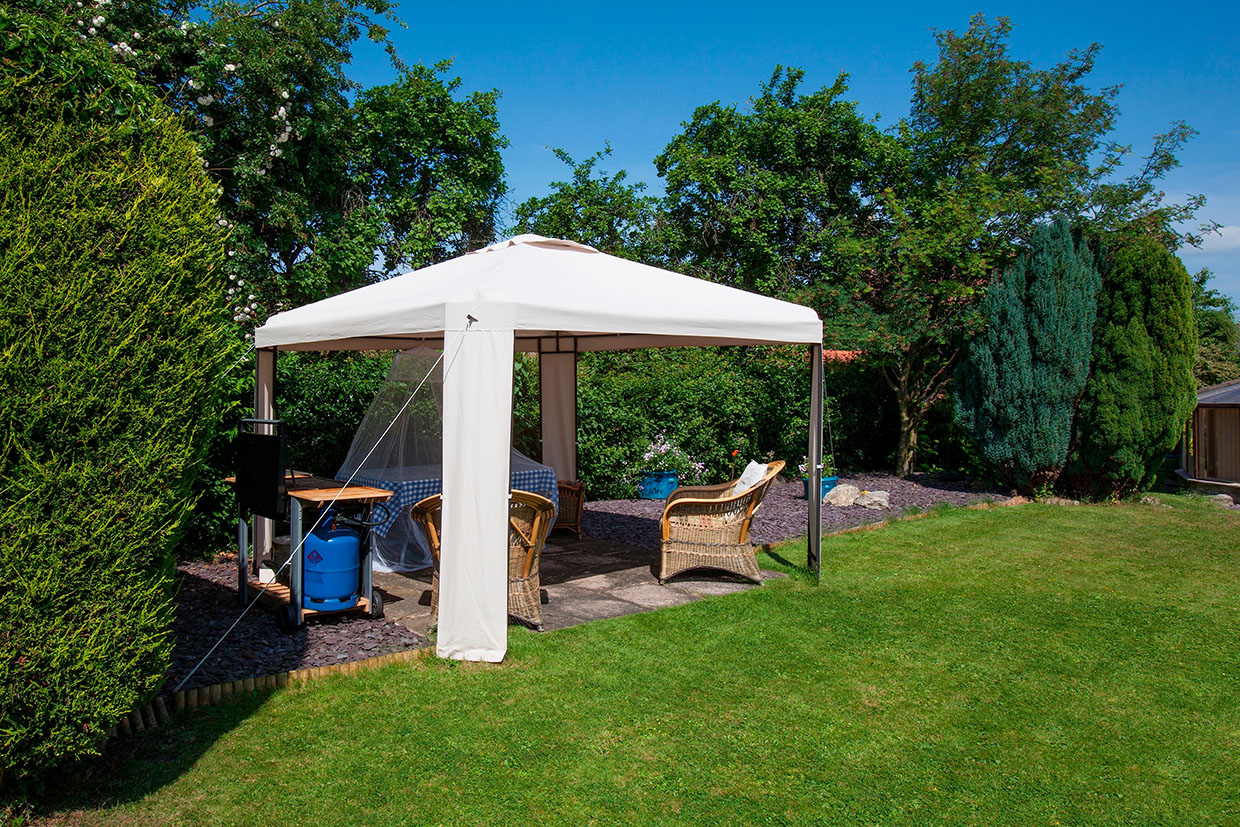
A gazebo is a freestanding structure, typically polygonal in shape with six or eight sides, featuring a solid roof structure similar to that of a house. Gazebos provide full protection from the elements such as sun, rain, and strong winds, making them ideal for use in various weather conditions. The walls of gazebos may be open, half walls, or fully enclosed with windows to create a sheltered yet airy space.
Common materials for gazebos include wood, metal, and vinyl, chosen for durability and aesthetics. These outdoor structures often become the focal point of a garden or backyard oasis, providing shade and shelter. Gazebos are perfect for:
-
Offering a covered seating area that enhances comfort on sunny days or during rain
-
Hosting small events like BBQs, birthday parties, or intimate gatherings
-
Creating a tranquil retreat for reading, meditation, or enjoying time in nature
-
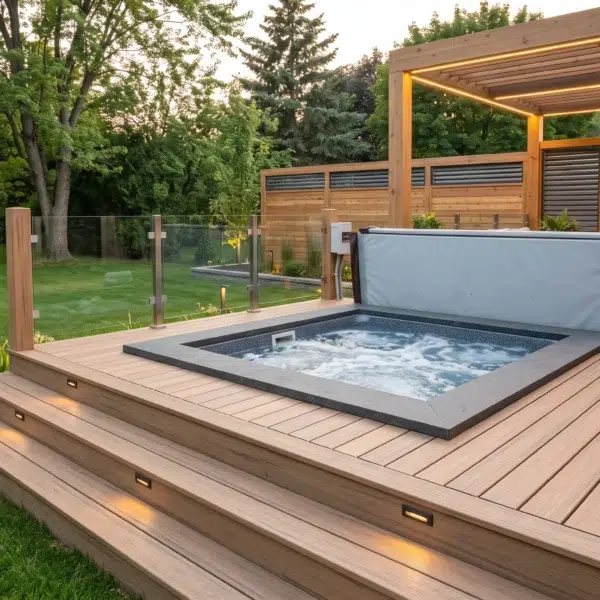
Housing hot tubs or outdoor spas, granting full protection from the elements
-
Adding value and curb appeal to your property with a classic garden structure
When planning the installation of a gazebo, it is important to check local building codes, especially since these structures offer full protection and may require permits due to their size and enclosed nature.
What is a Pergola?
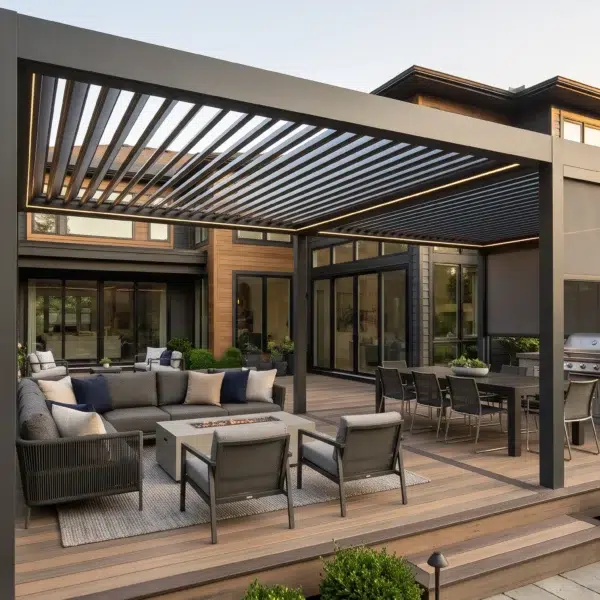
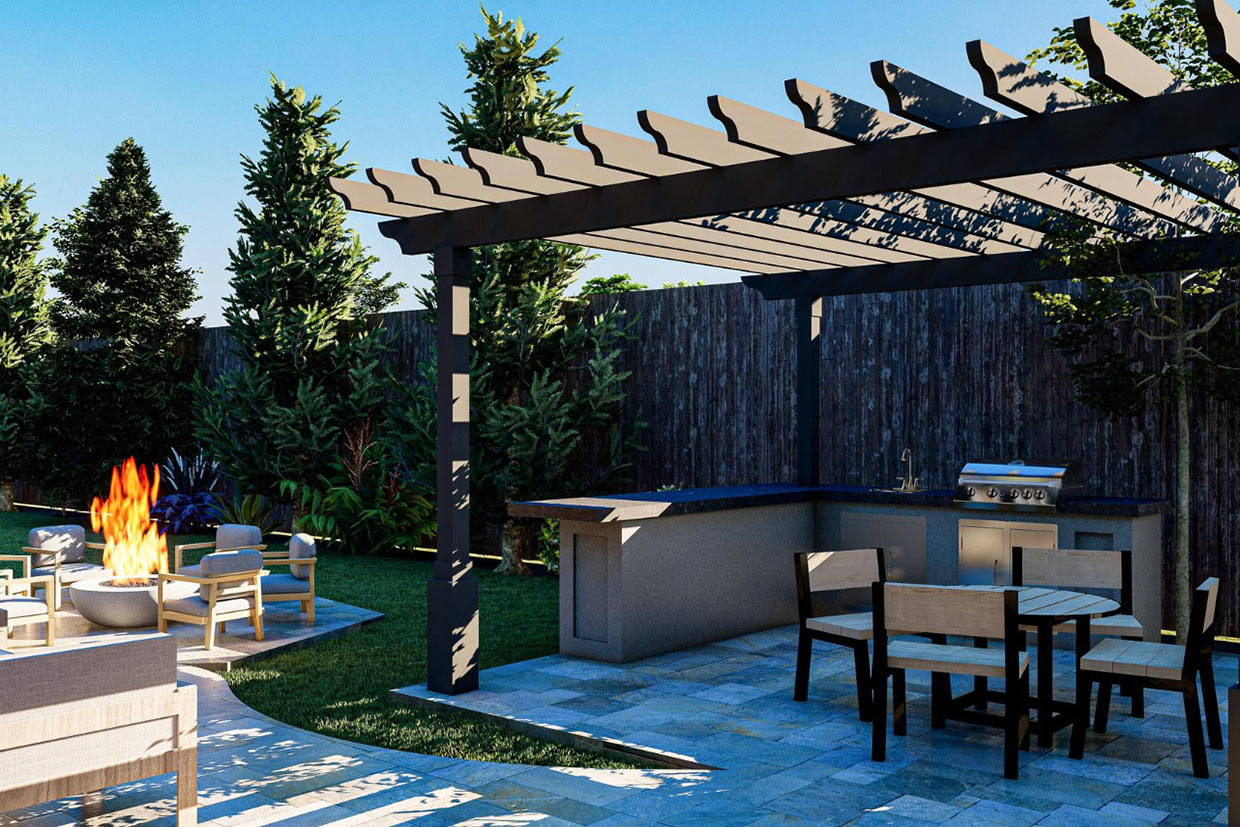
A pergola is a versatile outdoor structure typically made with pillars supporting an open roof composed of beams and rafters. Most pergolas provide partial shade without a closed roof, making them ideal for sunny days and warm climates where air circulation and sunlight are desired. Unlike gazebos, pergolas can be freestanding or commonly attached to a house, often integrating seamlessly with patios and decks.
Materials for pergolas include wood, vinyl, and aluminum, selected for their lightweight, low maintenance, and durability. Pergolas often serve as frameworks for climbing plants such as vines growing and roses, enhancing the garden’s natural aesthetics. Key uses for pergolas include:
-
Creating shaded outdoor living spaces that invite al fresco dining and lounging
-
Supporting climbing plants to provide natural cover and cooling shade
-
Offering customization options like retractable canopies or side curtains for variable protection
-
Enhancing the beauty and functionality of patios, decks, and yards with an open structure
Because pergolas typically have an open roof, they provide less protection from the elements compared to gazebos but excel in creating airy, inviting outdoor areas.
What Are the Differences Between Gazebos and Pergolas?
Understanding the key differences between gazebos and pergolas will help you select the right structure for your outdoor area.
Structural Differences
-
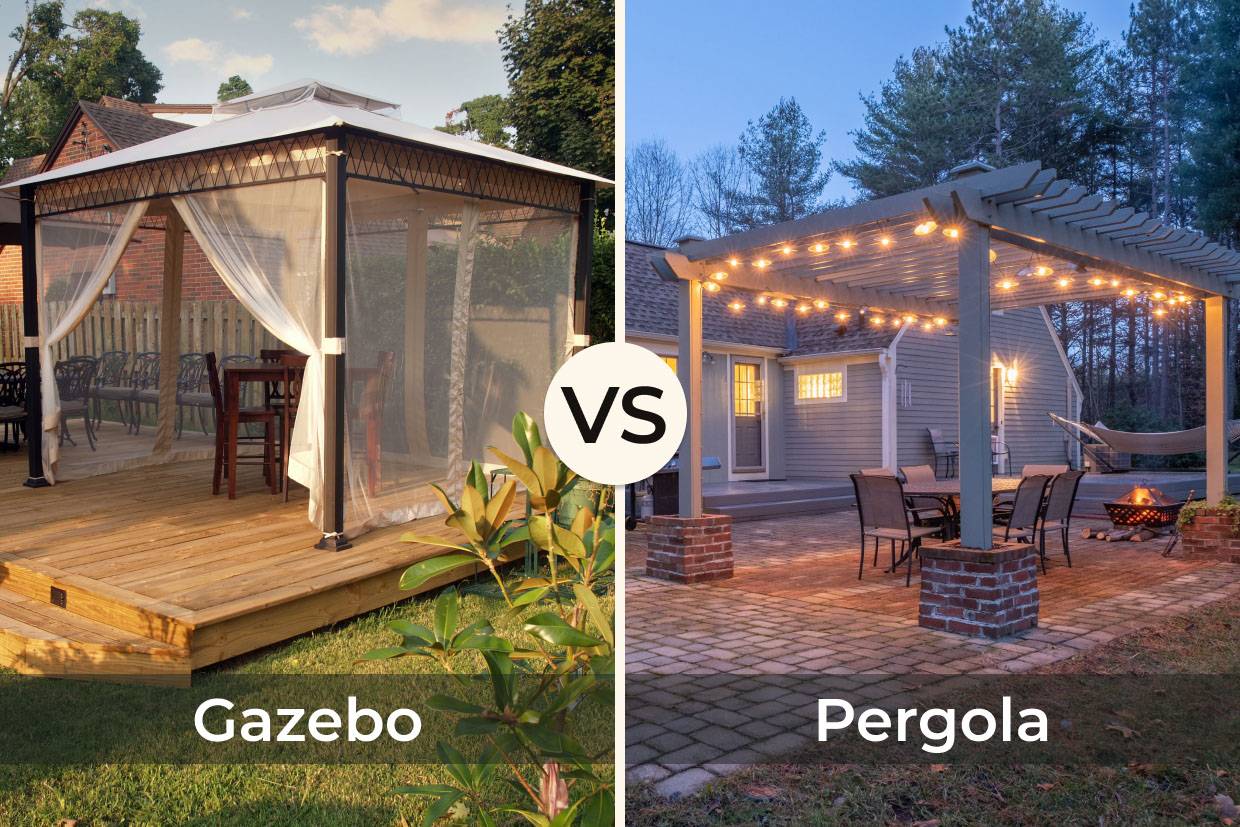
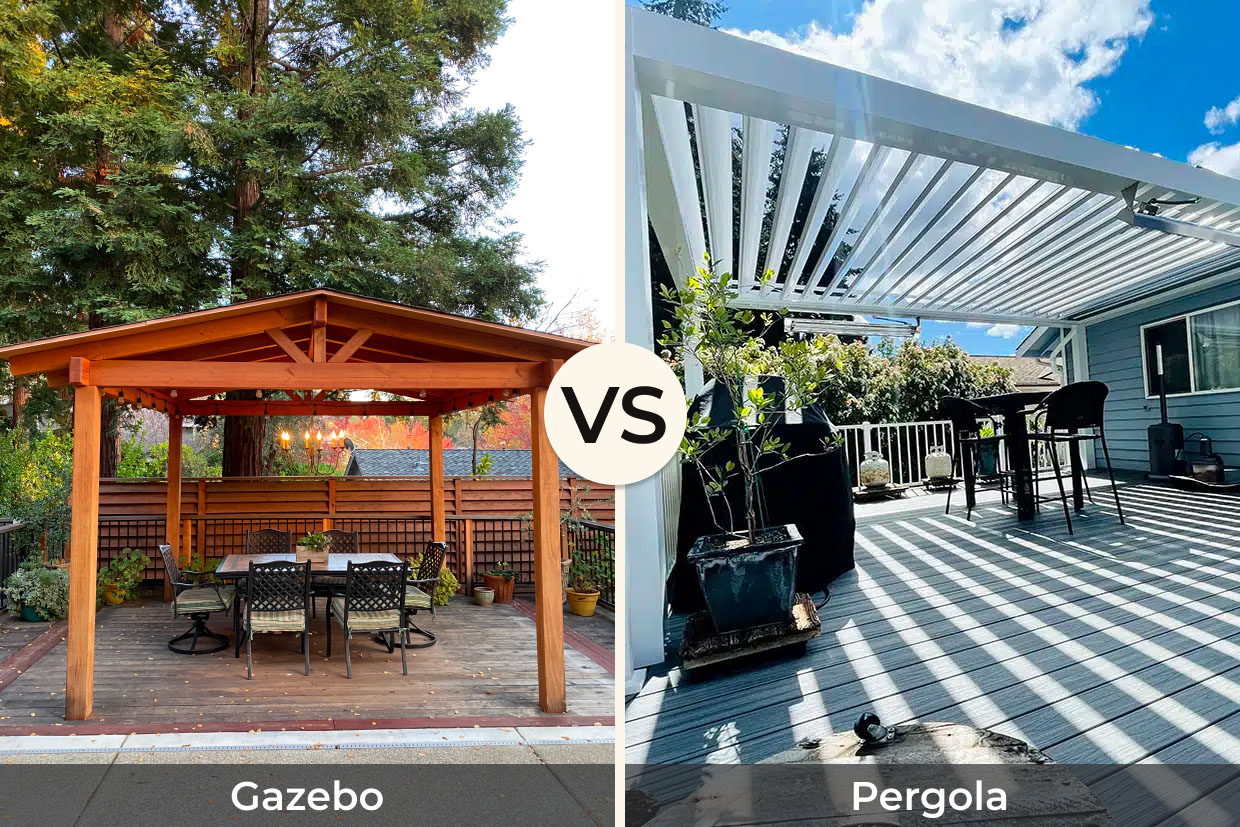
Gazebo: Features a solid roof that provides full protection from sun, rain, and strong winds. It usually has polygonal walls that may be open, partially enclosed, or fully enclosed with windows.
-
Pergola: Has an open roof structure, usually rectangular or square with pillars and beams allowing for sunlight and air flow. It may be freestanding or commonly attached to a house.
Aesthetic Differences
-
Gazebo: Often has a classic, ornate style that complements traditional gardens and Victorian aesthetics, creating a charming and elegant focal point in the yard.
-
Pergola: Typically sleek and modern, with minimalist lines that suit contemporary gardens. The presence of climbing plants and retractable features adds to its adaptable design.
Functional Differences
-
Gazebo: Provides a more sheltered retreat offering protection from the elements, making it suitable for hosting events, outdoor dining, or relaxation regardless of weather conditions.
-
Pergola: Specializes in providing partial shade and enhancing outdoor spaces with natural elements like vines growing over its open roof, perfect for sunny days and moderate climates.
These key differences highlight why the main difference between a pergola and gazebo often comes down to roof structure and the level of protection from the elements required in your outdoor space.
Advantages of Gazebos vs Pergolas
When choosing between a gazebo and a pergola, understanding their unique advantages can guide your decision.
Advantages of Gazebos
-
Full protection with a closed roof, ideal for all-weather use
-
Enclosed or semi-enclosed walls for privacy and shelter
-
Adds classic elegance and aesthetic appeal to any garden or backyard oasis
-
Suitable for hosting small gatherings, parties, or providing a quiet retreat
-
Can house amenities like hot tubs with full protection from sun and rain
Advantages of Pergolas
-
Offers partial shade while maintaining an open structure and airflow
-
Integrates beautifully with the garden, supporting climbing plants and vines
-
Allows customization with retractable canopies and built-in seating options
-
Generally lower maintenance and less expensive to build compared to gazebos
-
Perfect for creating stylish outdoor living spaces on patios or decks
Considerations for Choosing Between a Gazebo and Pergola
Several factors influence the best choice for your outdoor area:
-
Climate and Weather: Gazebos with a solid and closed roof offer more protection from strong winds, rain, and heat, whereas pergolas provide sufficient shade for milder climates.
-
Purpose and Use: Gazebos suit private, sheltered entertaining or relaxation spaces; pergolas create light, airy areas for gardening and casual al fresco living.
-
Space Availability: Gazebos usually require more ground level space due to their structure, while pergolas work well as smaller structures or additions.
-
Budget and Maintenance: Gazebos often come with higher initial costs and maintenance needs; pergolas offer a low maintenance alternative at less money.
-
Design Preference: Choose the structure that complements your garden and backyard aesthetics, considering whether you prefer closed roof protection or an open structure that enhances sunlight and air.
Consider a Pergola or Gazebo for Your Deck
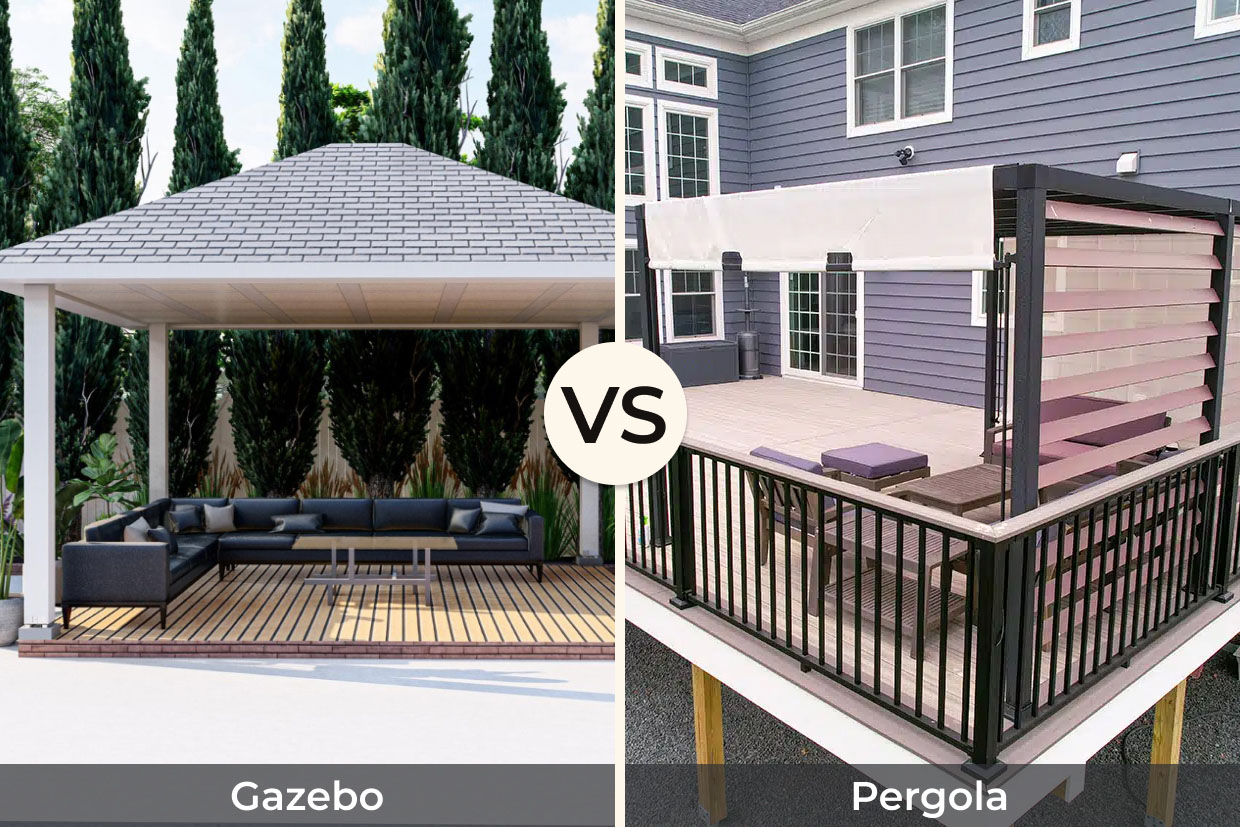
Both gazebos and pergolas are excellent outdoor structures to enhance your backyard oasis and outdoor living area. Gazebos provide full protection from the elements with their solid roof and walls, making them suitable for all seasons and for creating private retreats. Pergolas offer a stylish cover with an open roof that supports climbing plants and provides partial shade, perfect for enjoying your garden on sunny days.
The choice between gazebo vs pergola depends mostly on your specific needs, preferences, and local building codes. Take into account your yard’s layout, the intended use of the structure, budget, and maintenance preferences. For professional design and installation advice for any deck or backyard project, contact Deck Guardian today!