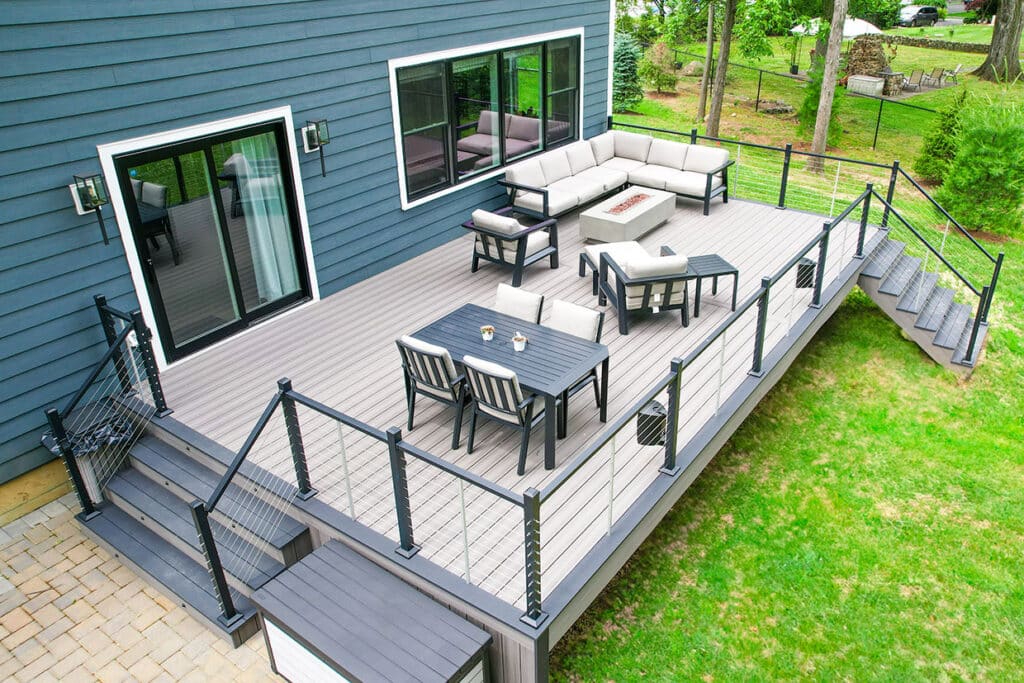
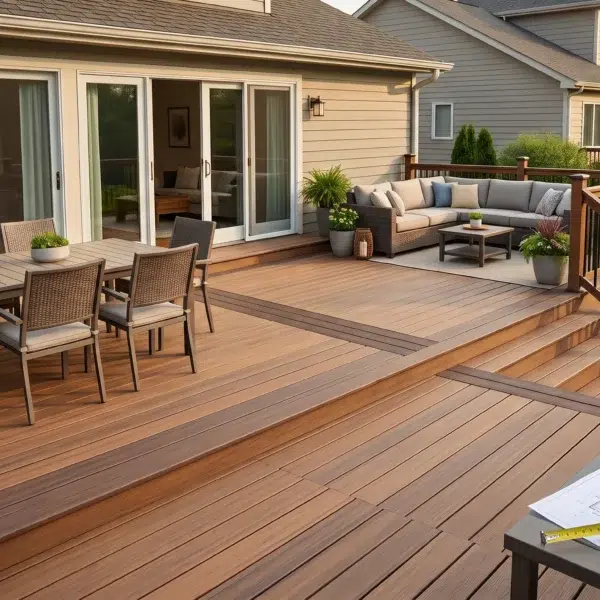
You finally decide to replace that weathered deck out back. The boards are soft, the railings wobble, and you start pricing materials. Then the question hits: Do I need a permit for this? If you are planning a deck project anywhere in southeastern Pennsylvania, understanding deck permits in Bucks County PA and the surrounding counties matters more than most homeowners realize. Deck Guardian works with homeowners across this region, and the permit question comes up on nearly every project.
Here is the key point that trips people up: counties do not issue residential deck permits directly. Your local municipality does. Bucks County has 54 townships and boroughs.1 Chester County has 73.2 Delaware County has 49. Each municipality handles deck permits through its own building department or through a certified third-party code official approved under Pennsylvania’s Department of Labor and Industry. After submission, the application is reviewed by the local building code official for compliance with the Uniform Construction Code and any local requirements tied to the project.
Across Pennsylvania, the Uniform Construction Code sets the minimum standards for residential construction and is based on the International Residential Code. But state code is not the whole story. Boroughs and townships also apply local codes and zoning rules, and those local rules can have just as much influence on a deck project as the building code itself. In practice, that creates a two-part system: one layer covers structural requirements, safety codes, and zoning laws, while the other governs where and how the project can be built. For homeowners, that means permit assumptions do not travel well from one municipality to another. The smarter approach is to verify the requirements with the local office directly.
The process usually starts with zoning review. That is where setbacks, lot coverage, and similar site restrictions come into play. If the deck then falls into a category that requires a building permit — usually because of its height or because it will be attached to the home — the permit application comes next. Inspections follow as construction moves ahead, and some municipalities handle footing, framing, and final inspections through their own local inspection procedures. The whole thing can move quickly with complete paperwork and proper permitting, or drag on if documents are missing.
Building Permit vs Zoning Permit: What Triggers Each in the Deck Permit Application Process

Most deck projects in these counties involve two types of review, and understanding the difference saves time.
A zoning permit confirms where your deck goes. Zoning review is really about fit. It checks whether the deck works on the lot without crossing setback lines, pushing past lot coverage limits, or running into easement restrictions. Since those rules come from the municipality, they can vary quite a bit. In one township, the rear yard setback might be 20 feet. In the borough next door, it might be 15.
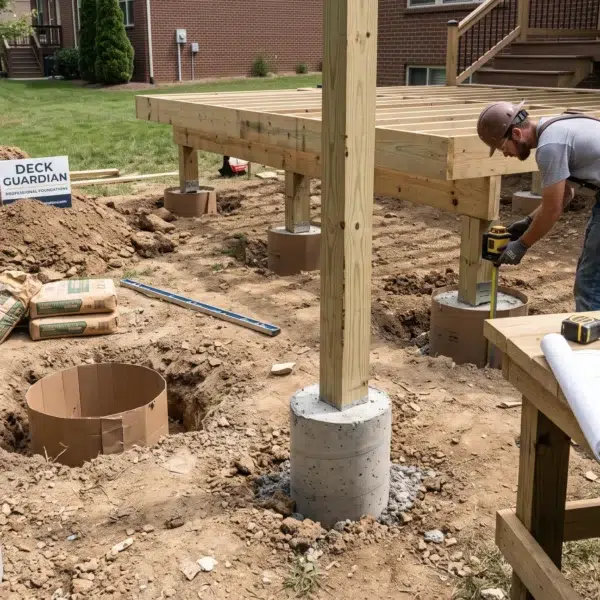
A building permit is about how the structure is built. It focuses on how the deck is put together — footing depth, joist spans, beam sizing, ledger board attachment, guardrails, stair location, and railings. That is the part of the process meant to confirm the deck meets both safety expectations and structural demands, stays stable over time, and aligns with local building codes and safety standards.
The gray area starts with lower decks. Many municipalities do not treat a low platform the same way they treat an elevated attached deck. If the deck sits less than about 30 inches above grade, a building permit may not always be required, especially when there is no usable space underneath. But zoning is often still in play, because the deck still occupies part of the property and has to respect setback lines. Attached decks are usually reviewed more closely, and for good reason — the ledger board connection to the house is a known weak spot when the work is done badly, especially in cases of unpermitted work.
So, for example, a freestanding deck that is 24 inches high might avoid the building permit requirement in some townships. That does not necessarily mean the project is cleared. Zoning approval may still be needed to confirm that the deck does not extend into the required setback, exceed local lot coverage limits, or interfere with the broader property layout.
Low Decks Under 30 Inches: Bucks County Permit Rules and Local Building Codes

The 30-inch-above-grade threshold appears in the IRC as a common exemption point, and many municipalities in this region use it as a starting point for review. But the reality is more nuanced than a simple height rule.
In practice, most townships maintain zoning oversight for any deck regardless of height. A low deck still takes up space, affects lot coverage calculations, and could violate setbacks. Some municipalities apply narrower exemptions for small freestanding decks outside easements, while attached decks usually trigger closer review.
If your deck attaches to your house, expect scrutiny. The ledger board connection is a structural element that affects both the deck and your home. Water intrusion at the ledger is one of the leading causes of deck failures nationwide, especially when unpermitted work skips flashing details or proper review.
The safe approach: never assume your low deck is exempt. Call your township or borough building department and describe your project. Ask specifically about both zoning and building requirements, including whether necessary permits apply even when the deck sits close to grade. It takes 10 minutes and can save weeks of problems later.
Permit Application Documents That Get a Deck Project Approved
Complete documentation is what separates a fast approval from weeks of back-and-forth. Most permit offices in Bucks, Chester, and Delaware Counties want the same basic packet. In many municipalities, that packet must give the reviewer enough information to confirm code compliance, setback placement, and overall scope before the application is treated as complete.
| Item | Why it matters | Common mistake |
| Plot plan or survey with setbacks | Proves your deck location complies with zoning | Missing distances to property lines |
| Construction drawings | Shows framing, beams, joists, overall structure | Not detailed enough for code review |
| Connection/ledger details (if attached) | Addresses water intrusion and structural safety | Vague fastening plans |
| Footing and post details | Verifies frost depth and soil stability | No footing depth specified |
| Permit application with owner signature | Required administratively | Incomplete forms |
The plot plan is where most applications stumble. Your site plan needs to show the deck location with scaled distances to all property lines.3 A complete site plan should make it easy for the reviewer to confirm the deck footprint without guessing at the layout. In many Pennsylvania permit packets, site plans or plot plans are specifically required to show setbacks, distances from lot lines, and the relationship between the proposed deck and existing structures on the property. If your survey is more than a few years old or does not include the deck footprint, you may need an updated drawing. Construction drawings should detail joist sizes, spacing, beam placement, and footing specifications. For elevated decks, expect more detail around railings and stairs, and be ready to provide two sets of drawings if your township and third-party reviewer both request copies.
Permit Application Timeline and Inspections for a Deck Project
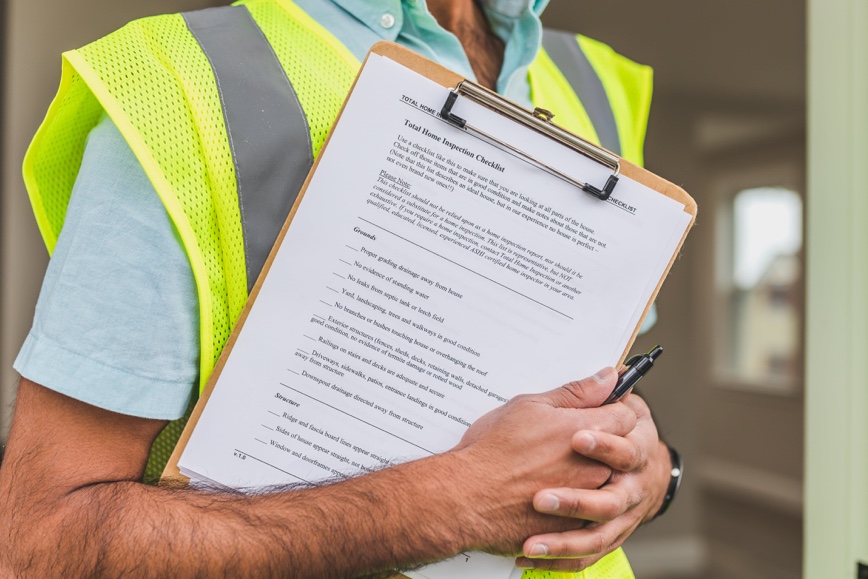
How long does it take? That depends on your local municipality and how complete your packet is. Some clean submissions move quickly, while others take longer depending on staffing and review volume. Incomplete applications that require revisions can add one to three weeks, especially when the reviewer asks for updated details before issuing the permit.
Inspections typically happen at key stages. A footing inspection verifies that the holes reach the required depth before concrete is poured. In southeastern Pennsylvania, that depth is often tied to local frost-depth requirements. A framing inspection checks that your structure matches approved plans and uses proper fasteners and hardware. A final inspection confirms railings, stairs, and overall compliance.
Some projects need additional inspections. Elevated decks over six feet might require an intermediate check. The inspector usually needs 24 hours notice to schedule, and the exact process may vary depending on which code official handles your township and how local regulations are enforced.
If you want to avoid delays and keep your project on track, consider deck permitting help in Bucks, Chester & Delaware Counties. Professional support can ensure your application is complete before submission.
Replacing an Existing Deck: Permits, Setbacks, and Working With a Licensed Contractor
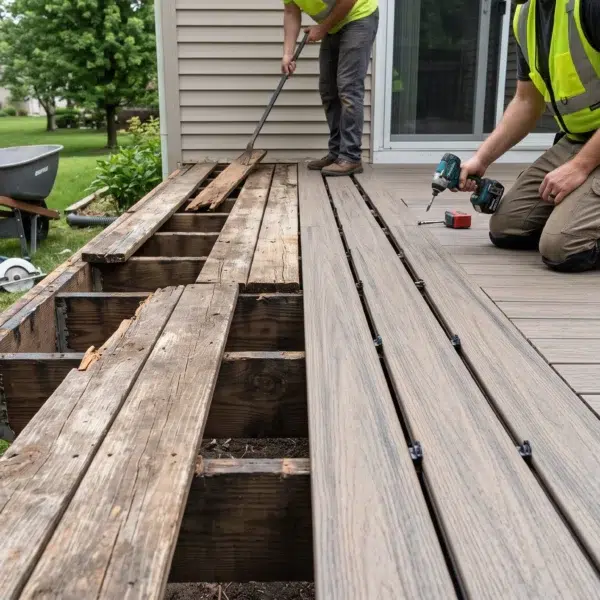
Replacing an existing deck often triggers permits, especially if the new deck differs from the old one. Changes in size, height, attachment method, or materials can all require fresh approval. Even a like-for-like replacement might need zoning verification to confirm setbacks still comply with current rules, particularly when applicable zoning provisions or local regulations have changed since the original build. Working with an experienced contractor also helps reduce avoidable permit issues before construction begins. For owner-occupied residential work, some Pennsylvania municipalities allow homeowners to prepare their own construction plans, but once the project falls outside that kind of residential scope, professionally prepared or sealed plans are much more likely to be required.
If you are upgrading from wood to composite materials, your plans should reflect the change. Composites have different weight characteristics, and while framing requirements are often similar, the inspector needs to see that your design accounts for the materials you are using. A composite deck builder serving Bucks County and the Philly suburbs can help prepare plans that address these details correctly, protect property value, and make sure all applicable code requirements are addressed before you build.
Building near property lines requires extra attention. How much space you need to leave from a property line depends on the municipality and the zoning district. In many areas, rear yard setbacks are somewhere around 15 to 25 feet, while side yard setbacks are often 5 to 15 feet. That is enough variation to make guessing a bad idea. Before buying materials or setting a construction date, check your plot plan and make sure the layout works under local regulations. Setback violations discovered after the fact can become a serious headache. The response may be as minor as a fine, or as disruptive as a stop-work order or a requirement to tear part of the structure down, especially when the project would exceed what the zoning district allows.
The safest approach is to verify setbacks and property lines as early as possible. If the planned work is anywhere near the boundary, confirm the details with the local building department before construction starts.
Do I need a permit to build a deck in PA?
Often, yes. Pennsylvania uses the UCC statewide, and most municipalities require permits for structural work like decks. Zoning review is commonly involved as well, even for smaller projects, and skipping that step can create issues during resale, insurance review, or later compliance questions tied to the own deck on your lot.
What triggers a building permit vs zoning permit for a deck?
Zoning review covers placement, setbacks, and coverage. Building permits focus on structural safety and construction details. Many municipalities require both depending on deck height and design, because one review addresses land use while the other addresses how the structure is designed and built for long-term safety.
Do low decks under 30 inches need permits in Bucks County?
In many Bucks County municipalities, decks under about 30 inches may avoid a building permit but still require zoning approval. Always confirm with the specific township or borough, because the exact threshold can depend on height above grade, attachment details, and local regulations.
What documents are needed for deck permit approval?
Most offices want a plot plan showing the deck location and distances to property lines, along with construction drawings detailing framing and footing specifications. If the project includes electrical lighting or any nearby plumbing work tied to the outdoor area, mention that early so the reviewer can flag additional requirements.
How long does a deck permit take in local townships?
It depends on the municipality and how complete the packet is. Clean drawings and a clear plot plan usually move faster than applications requiring back-and-forth revisions.
What inspections are required for deck construction permits?
Many municipalities require inspections at key stages like footings, framing, and final approval. Some projects need additional checks based on scope, especially when the deck is elevated, includes integrated features, or ties into nearby plumbing or electrical work.
Do I need a permit to replace an existing deck?
Often, yes, especially if the structure, size, attachment method, or location changes. If it is truly like-for-like work, some municipalities may treat it differently, so verify before demolition to avoid delays, extra costs, or code-related fines later.
What setbacks apply to deck permits near property lines?
Setbacks are set by local zoning rules and vary by municipality. The safe approach is to confirm setbacks early using your plot plan before ordering materials or scheduling contractors, especially if the deck is elevated or the proposed build pushes close to the maximum allowed lot coverage. That early check also helps confirm whether the layout crosses a required setback line before work begins.