Expert Tips: Choosing the Best Wood for Your Deck
Choosing the right wood for your deck isn’t just about looks—it’s about finding a material that will stand up to the elements and continue to look great for years, even decades. The type of wood you select can significantly influence your deck’s lifespan, maintenance requirements, and overall performance. The best wood choice balances natural beauty, structural integrity, and environmental impact to create an outdoor living space that will last.
In this article, we’ll guide you through the key factors you must consider, from weather resistance to maintenance needs, to help you make the best choice for your outdoor space. Join us as we get expert advice from the professionals at Deck Guardian in New Jersey. They’ll share everything they know about wood decking options and composite decking materials to ensure you get the best wood type to build a deck — a deck project built to last.
1. Understanding Wood Decking Options
Wood decking has evolved significantly with new decking materials and composite decking options available, but traditional wood still holds great appeal for many homeowners. Here’s a rundown of popular wood types and their unique qualities:
Pressure-Treated Lumber Decking
Pressure treated lumber remains a cost effective and widely available choice. Pressure treated wood undergoes a chemical treatment process that enhances durability by resisting rot, insect damage, and moisture absorption. It’s ideal for outdoor use, particularly when properly maintained.
Pros: Affordable, strong structural integrity, and chemically treated to resist decay.
Cons: Requires regular maintenance practices like sealing or staining to protect from uv rays and moisture damage, and can warp or crack over time.
Cedar and Redwood Decking
Cedar and redwood are excellent choices for homeowners seeking natural resistance combined with aesthetic appeal. Cedar contains natural oils offering natural resistance to insect damage and mold growth, making it a low maintenance wood option. Redwood adds a rich, luxurious look with its fine grain and natural charm.
Pros: Beautiful fine grain, good natural resistance to decay and insects, distinct reddish hues.
Cons: Requires somewhat more frequent maintenance, like routine cleaning and occasional staining, to retain its vibrant color. Availability depends on region.
Exotic Hardwoods (Tropical Hardwoods) like Ipe Wood
Tropical hardwoods such as Ipe, Teak, and Tigerwood are among the densest and most durable decking materials available. These exotic hardwoods provide unmatched durability and aesthetic appeal, resisting rot and moisture far better than many wood options.
Pros: Highly durable, minimal maintenance required, unmatched natural beauty and luxurious look.
Cons: Higher upfront costs, heavier and more challenging installation process.
Composite Decking and Composite Decking Materials
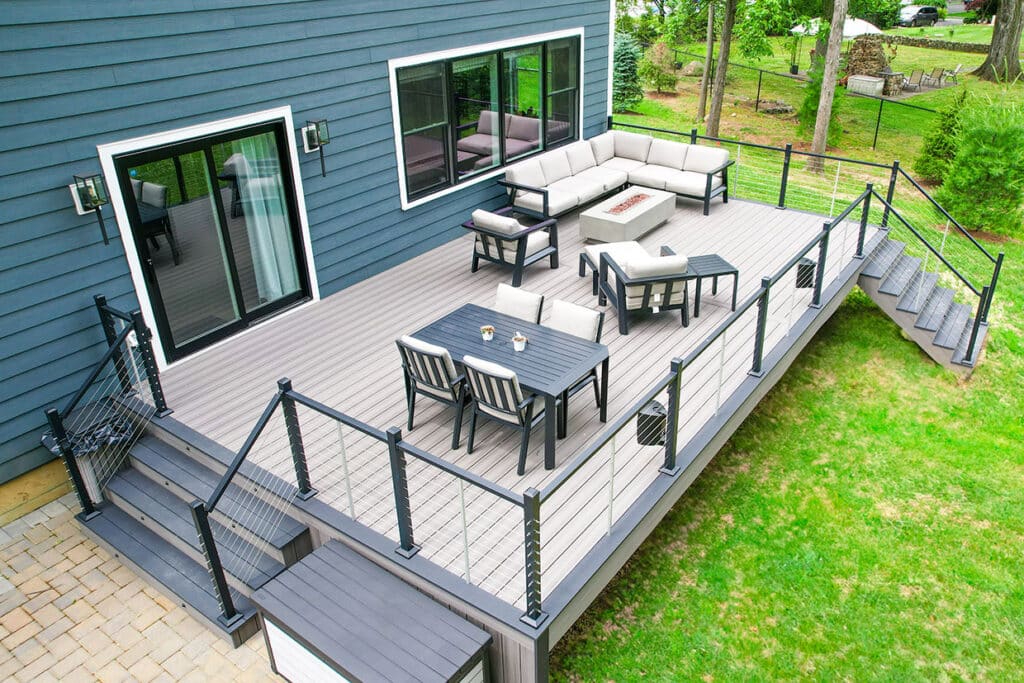
Composite decking materials, made from recycled plastic and wood fibers, offer a low maintenance alternative with excellent durability and resistance to environmental factors such as moisture and uv rays. While their environmental impact is less than traditional lumber, they may lack the natural charm of real wood. Composite decking requires minimal upkeep and resists fading and insect damage, making it popular among homeowners seeking a maintenance-free deck surface.

2. Factors Influencing Wood Choice
Choosing the best wood for your deck involves weighing several important considerations:
-
Species: Some woods are naturally resistant to decay and insect damage, making them better suited for outdoor use and extreme weather conditions.
-
Environmental Impact: Sustainable forests and proper treatment are key environmental considerations. Opting for wood that comes from certified sustainable forests ensures lower environmental impact.
-
Maintenance Requirements and Cost: Balancing regular maintenance against upfront costs is crucial. Some woods require frequent maintenance to retain their natural beauty, while others offer low maintenance or maintenance free benefits.
-
Aesthetic Appeal: Wood type profoundly influences the curb appeal and overall visual charm of your deck. Tropical hardwoods and cedar/redwood offer rich, fine grain textures and luxurious looks.
3. Maintenance Requirements and Long-Term Care
Proper maintenance is critical in prolonging the life of your deck, regardless of the material chosen. Some woods, like pressure treated wood and cedar, require occasional cleaning, staining, and regular upkeep to protect against moisture damage and uv rays. Exotic hardwoods and composite decking materials require less frequent maintenance, often minimal upkeep or routine maintenance can suffice. Maintenance practices include repairing loose fasteners, checking for insect damage, and protecting the wood with sealants or finishes to resist rot and fading.

4. Cost Considerations and Return on Investment
Initial costs vary widely among wood types. Pressure treated pine offers a cost effective option for budget-conscious homeowners, while tropical hardwoods and exotic woods entail higher upfront costs but offer unmatched durability and lower ongoing maintenance. Regular maintenance and repairs add to labor expenses but improve structural integrity and prolong deck life. Careful planning of the deck project, including correct deck height and installation process, optimizes costs while enhancing outdoor living space usability and curb appeal.

5. Size, Usage, and Environmental Factors
Your deck’s size should appropriately fit your available space and usage needs. Larger decks offer ample room for outdoor furniture and entertaining but come with increased maintenance needs and labor costs. Environmental factors such as moisture absorption, extreme weather conditions, and exposure to uv rays play roles in determining wood type suitability and ongoing maintenance frequency. Wood fibers with natural oils resist rot and insect damage, making woods like cedar, redwood, and ipe wood popular for decks exposed to harsh conditions.

6. Long-Term Value and ROI
Adding a wood deck is a proven way to increase your property’s market value. On average, a well-maintained wood deck can add approximately $10,000 to your home’s resale value, making it a worthwhile investment for homeowners looking to improve their home’s appeal.
When considering the return on investment, weighing the initial installation costs against the long-term benefits is important. Consider things like:
- Upfront Costs: The initial cost of installing a wood deck can be substantial, especially if you choose premium materials. However, the potential increase in home value often outweighs these initial costs.
- Regular Maintenance: Regular maintenance, such as cleaning, staining, and sealing, helps preserve the deck’s condition and prolong its life. This ongoing care enhances the ROI by maximizing the deck’s value over time.
- Usability: A well-designed deck adds usable outdoor living space, which is highly attractive to potential buyers. This can make your home stand out in the market.
- Curb Appeal: A beautiful wood deck enhances the overall aesthetics of your property, boosting curb appeal and making a strong first impression on potential buyers.
- Energy Savings: Strategically placed decks can provide shade and reduce cooling costs in the summer, adding an indirect financial benefit.
- Lifestyle Benefits: Beyond financial returns, a wood deck enhances your quality of life by providing an excellent space for relaxation, entertainment, and family gatherings. This intrinsic value also contributes to the overall perceived value of your home.

Choose the Right Wood Type for Your Deck with Deck Guardian
Choosing the best wood to build a deck is a critical decision impacting durability, maintenance, cost, and long-term value. At Deck Guardian, our professional deck builders provide personalized advice tailored to your budget, location, and lifestyle to ensure you get the deck you’ve dreamed of. Contact our experts today to learn more about the best wood and composite decking materials for your outdoor space. From fine grain cedar and redwood to sustainable tropical hardwoods and low-maintenance composite, we’re here to help you create a beautiful, durable outdoor living space for years to come.