Table of Contents
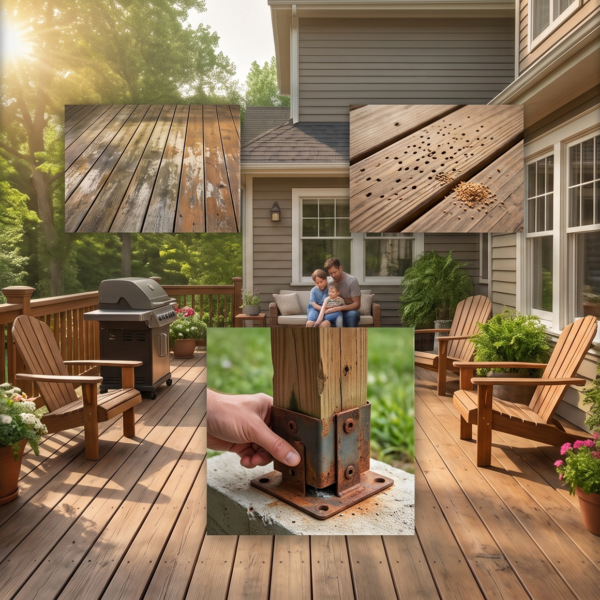
ToggleGazebo ideas are easy to save and harder to build well. A roof, a few posts, some lights, maybe curtains around the sides, and an outdoor dining set can look like an easy upgrade. It all looks simple until the gazebo is sitting on a weathered deck with peeling paint, soft boards, old stain, or a deck floor that was never prepared for more weight, shade, and year-round use. What should feel like an outdoor living room can quickly expose problems that were already there.
At Deck Guardian, we usually look at the deck first. Not the gazebo design. Not the furniture. The deck. If the existing structure is solid, deck restoration, deck stain, or the right deck sealer can make the surface ready for a covered feature. If the structure is weak, sealing it only delays the real problem.
A gazebo should make an outdoor living space more useful. It should not expose every issue the deck already had. In New Jersey, that means balancing the look of the structure with durability against humid summers, winter snow, wind, and daily backyard use.
1. Ideas for a Gazebo Over a Freshly Sealed Wood Deck
Some of the best ideas for a gazebo start with the simplest question: is the wood surface ready?
Adding a covered structure over a wood deck starts with the condition of the existing floor boards. The surface may need deck cleaner, a careful pressure wash, or power washing to clear away dirt, black mold, old stain, and previous stain layers left by a previous owner. Older coatings can complicate the job. If thick paint was applied years ago, peeling sections have to be removed, and in tougher cases, all the paint may need to be stripped before stain will take.
A semi-transparent stain works well when homeowners want the deck protected but still want the wood grain to show. On new wood, including new pressure-treated lumber that has had enough time to dry, a semi-trans or semi-transparent finish can look more natural than a heavy coating. Clear deck sealer keeps the look closer to raw wood and helps repel water, but most clear sealers offer little to no UV protection.1 The deck can still fade and gray as it ages, especially when the gazebo changes how sun and shade hit the boards. That is not a dealbreaker. It just has to be planned.
2. Concrete Patio Gazebo Ideas for a Cleaner Base
A concrete patio can make more sense when the old deck is too worn to save. It can also be the right base near a swimming pool, large patio, or backyard seating area where the gazebo needs to feel like a lasting feature.
Concrete will not feel as warm underfoot as wood, and that matters. Still, it is stable, low-maintenance, and practical for outdoor use. With the right furniture, lighting, clean lines, and gazebo design, the space can still feel welcoming instead of hard or unfinished. Placing the gazebo within easy walking distance of the house also makes outdoor dining more practical, especially when food, drinks, and serving pieces move back and forth from the kitchen.
That is often the point where homeowners start looking at gazebos next to porches, patio covers, and other covered features. Reviewing covered outdoor structure options, including ground-level deck ideas with beam planning, helps clarify whether the project should be a freestanding gazebo, a covered porch, or something tied more closely to the house.
3. Deck Restore and Deck Restoration Before Adding a Gazebo
A deck restore project can be useful when the deck boards are weathered but structurally sound.2 It is not a cure for rot, moisture damage, or failing framing.
Products like Rust-Oleum Restore, often searched as “rust oleum deck restore” or “rustoleum restore,” may help cover worn boards, but they can also create a big mess later if the coating starts lifting. Removing old coatings can become a difficult job involving a pressure washer, sanding, scraping, and a lot of patience.
If the deck is only tired on the surface, deck restore work can help. If the structure is soft, moving, or holding moisture, the better answer is repair or replacement before the gazebo goes in.
4. Deck Stain Gazebo Design With a Natural Look
A wood gazebo over a stained deck can look strong when the colors work together. For homeowners comparing stain direction, trim contrast, and surface tone, two-tone deck colors can also help the gazebo feel connected to the deck instead of added as a separate feature. Cedar, redwood deck surfaces, pine deck boards, and pressure-treated wood all respond differently to stain, so the finish should match the material, not just the color sample.
Transparent stains and translucent stain options show more grain but offer less protection from the sun. Semi-transparent stain gives a balance between natural appearance and protection, especially when homeowners want more than a normal stain look but less coverage than a solid color. Solid stain covers more of the wood and can block more sunlight, but it changes the look more dramatically.
Deck paint is another option, though it behaves differently from stain. Paint sits on top of the wood, especially on horizontal surfaces that take the most foot traffic and weather. When it fails, it can peel. Stain soaks in more naturally, especially when proper prep leaves the surface clean, dry, and ready to absorb the finish.
For a gazebo design that leans traditional, a natural stain can keep the deck from looking too heavy, especially on Cape Cod-style homes, where the traditional look works better than a sharp modern contrast. The same logic can apply to rustic homes in Northern Michigan, but for Deck Guardian projects, the finish still has to make sense for New Jersey and Pennsylvania conditions.
5. Best Deck Sealer for a Gazebo in Full Sun
The best deck sealer depends on wood type, climate, and how much natural color the homeowner wants to keep. Most decks also need a product chosen around use, not just appearance, because a gazebo changes shade, airflow, and wear patterns.
Clear deck sealer can help with water protection, but it usually does not block much UV. For full sun, a stain or sealer with some solids, including resins, often protects better because it helps shield the wood from UV rays. More solids usually mean more protection, but also less visible grain. If the goal is to keep a deck ready for regular use under a gazebo, that tradeoff matters.
Oil-based sealers tend to penetrate better and may last longer. Water-based sealers are easier to clean and often more eco-friendly. Neither is automatically right for every deck.
| Finish or structure detail | Typical number or range | Practical meaning |
| Water-based stains with fewer solids | about 2 to 3 years | Easier cleanup, shorter re-coat cycle |
| Oil-based semi-transparent stains | about 3 to 5 years | Better penetration and water repellency |
| Vertical gazebo or deck surfaces | 5 to 10 years | Usually need less frequent reapplication |
| NJ accessory structure threshold | over 100 or 200 sq ft | May trigger stricter zoning or permits |
| Galvanized steel roof load testing | up to 50 lbs per sq ft | Helps with snow-load durability |
Top-rated deck sealer options include Restore-A-Deck Wood Stain, Ready Seal, Defy Extreme Clear, and Armstrong Clark. The best clear deck sealer still needs to be chosen around sun exposure, water protection, and the condition of the existing deck.
6. Gazebo Styles That Work With a New Deck
A new deck gives homeowners more freedom because the deck and gazebo can be planned as one project. When the deck built for the space already accounts for posts, furniture, shade, and drainage, the gazebo feels intentional rather than added later.
Cedar and pressure-treated pine are common choices for classic gazebo frames. Cedar is popular because it gives the structure a natural look and has good durability, while redwood is also valued for natural resistance to rot, insects, and moisture. Homeowners can either stain the wood for warmth or paint it to blend with the house. Metal and hardtop gazebos often rely on aluminum or galvanized steel, making them better suited for snow, wind, and more exposed backyard settings than lightweight decorative options. A robust roof system matters in New Jersey, whether the design uses asphalt shingles, metal panels, or galvanized steel roof components tested for heavy snow loads.
Vinyl and composite gazebos make sense when low maintenance is a priority. Vinyl and PVC options are especially practical because they are highly resistant to moisture, insects, and humidity, which can be a real advantage through New Jersey’s seasonal weather changes.
Modern gazebo designs tend to look simpler and more structured. Clean shapes, clean lines, monochromatic palettes, open layouts, built-in LED lighting, and integrated seating are all common. A mid-century modern look may add angled rooflines, exposed wood beams, and geometric shapes for more visual structure. A more traditional house may look better with a classic octagonal gazebo, while screened-in models can make sense where insects, wind, or privacy are concerns. A layout with a built-in fireplace or fire pit can add warmth for evening gatherings, but only when code, ventilation, and clearances allow it. The deck and the house should guide the style, not the catalog photo.
7. More Maintenance or Less Maintenance: Decide Early
A gazebo adds more use to the deck. More shade. More foot traffic. More furniture. More evenings outside. That also means more maintenance if the wrong materials are chosen.
Wood has beauty, but it asks for care. Pressure-treated lumber needs sealing or staining. Cedar and redwood resist rot and insects better than some wood types, but they still need upkeep. A deck stain may need a first coat, a second coat, and later re-staining depending on exposure.
Aluminum, vinyl, composite decking, and metal roofs reduce that workload. They do not remove maintenance completely, but they make the project easier to live with.
This is also the moment to compare gazebo plans with the differences between pergola and gazebo. A pergola may give shade and style with less enclosed structure. A gazebo gives stronger coverage, but it usually brings more construction and anchoring questions. Clear guidance at this stage is often greatly appreciated because it helps homeowners avoid choosing a structure that creates more upkeep than they expected.
For larger or more permanent builds, especially when the structure needs to connect visually or physically to the home, it is worth knowing when a custom porch builder makes sense.
FAQ
Should a deck be sealed before adding a gazebo?
Yes, if the deck is wood and structurally sound. A deck sealer helps protect the surface from water before the space gets heavier use.
Is a clear deck sealer enough for full sun?
Usually not by itself. A clear deck sealer can repel water, but most clear products offer limited UV protection.
What is the best deck sealer for a gazebo area?
The best deck sealer depends on the wood, sun exposure, moisture, and desired look. Oil based semi-transparent stains often provide strong penetration and water repellency.
Can a gazebo go on a weathered deck?
Only if the deck is structurally sound. A weathered deck can sometimes be restored, but rot, moisture damage, or soft boards should be repaired first.
Is a concrete patio better than a deck for a gazebo?
A concrete patio can be more stable and lower maintenance. A deck feels warmer and more connected to the house. The better choice depends on the project.
What gazebo styles work best in New Jersey?
Classic wood, modern metal, hardtop, vinyl, composite, and screened-in gazebo styles can all work if they are built for humid summers, snow, and wind.
Do gazebos need permits in New Jersey?
Often, yes. Many towns require permits for accessory structures, especially over 100 or 200 square feet or when anchoring is needed.
Can a gazebo include a fire pit?
It can, but it must be designed carefully around ventilation, clearance, heat, and local code requirements.