Table of Contents
ToggleRoof decking materials sound like a simple construction detail until they become the reason a project gets expensive, especially after years of moisture exposure or extreme weather conditions. A homeowner may start with a few loose boards, faded wood decking, or an aging surface and assume the answer is new decking material. Sometimes that is true. Sometimes the better question is whether the structure underneath is still doing its job, so the final choice should come from an informed decision rather than a quick surface reaction.
At Deck Guardian, we see this decision get rushed because the surface is what homeowners notice first. The gray boards. The stains. The splinters. The tired railing. But decking, roof decking, and deck resurfacing are not cosmetic choices first. They are structural choices with cost, moisture, maintenance, and long-term durability attached to them.
Deck Resurfacing, Roof Decking, and the Existing Deck Problem
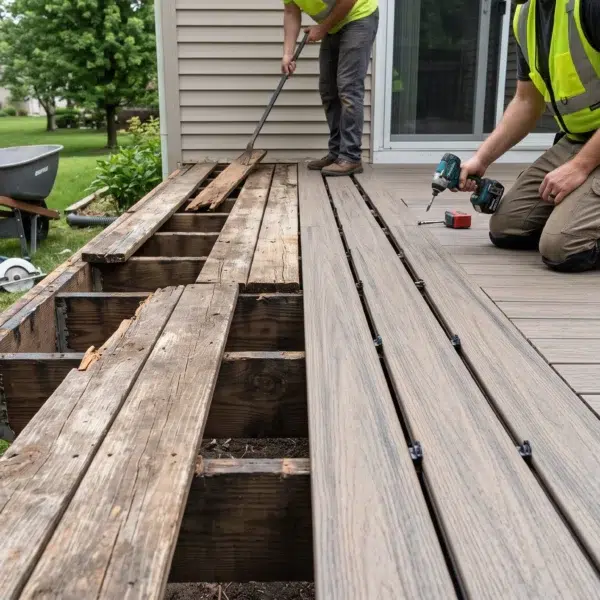
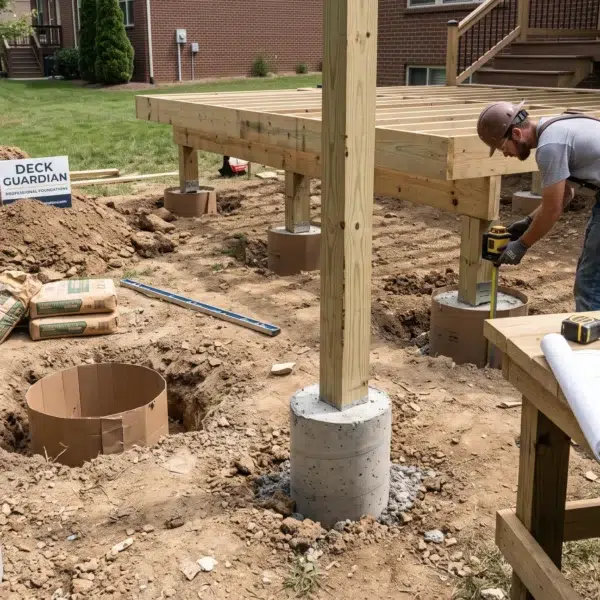
Deck resurfacing focuses on the boards and surface areas that get daily use. The old surface comes off, but the existing frame and foundation stay. If the joists, beams, and footings are still stable, resurfacing can be a smart way to extend the deck’s lifespan. But the structure has to pass the test first.
Soft joists, rot, moisture damage, or unstable framing mean the problem is deeper than the surface. In that case, new boards only cover a problem that still needs to be fixed. They do not solve it. A structural inspection of joists for soft spots or rot is critical before applying new boards or coatings during resurfacing. That is why an inspection matters before new composite decking, pressure-treated wood, cedar, hardwood, or other materials are installed: the surface only performs well when the structural integrity underneath is sound.
Roof decking is different. It is the structural layer beneath roofing materials such as shingles or tiles. It gives the roof a stable surface and helps protect the home’s durability. When roof decking weakens, roof replacement may become necessary because the surface above can no longer perform correctly.
What Roof Decking Materials Actually Do
Roof decking is not decorative. It supports the roof system, distributes load, and helps protect the home from water damage when paired with the right roofing materials.
Common roof decking materials include plywood, oriented strand board, and metal decking. Plywood is valued for its layered strength.1 Oriented strand board is often used as a cost-effective option when properly installed and sealed against moisture. Metal decking can offer exceptional strength in certain structural situations, though it is less common in standard residential home projects.
The best roof decking materials are not chosen by trend. The right roof decking material depends on more than availability or cost. Both matter, but neither should decide the roof decking material on its own. The local climate, roof structure, budget, moisture exposure, and roofing materials above the decking all need to be looked at as one system.
Best Roof Decking Materials for Moisture Resistance
In New Jersey and other Northeast climates, moisture can create serious problems over time. Roof decking and outdoor decking both have to stand up to freeze-thaw cycles, humid summers, rain, snow, seasonal shifts, and UV exposure.2 That climate pressure is one reason homeowners often upgrade to composite or PVC materials during resurfacing, especially when they want better resistance to mold, rot, and surface fading.
That is why moisture resistance is a practical requirement. Plywood, oriented strand board, and metal decking can each be effective when the material is used in the right place and sealed correctly. If roof decking takes in too much moisture, swelling, rot, and water damage become real risks.
Deck boards come with their own version of the same choice. Different wood types can give a deck the warmth, natural charm, and wood grain many homeowners want, but most wood options require maintenance to stay in good condition. Composite decking and PVC are often selected because they resist rot, need less maintenance, and suit homeowners who want the deck to stay practical over time.
Pressure Treated Wood, Cedar, Redwood, and Hardwood
Pressure-treated wood, often called PT wood, is commonly made from softwood, usually pine, and chemically treated to resist moisture and insects.3 Among common wood types, it remains a popular choice because it can provide a sturdy, budget-friendly wood deck without moving into a higher material budget.
But there is a catch: it needs regular care. Pressure-treated wood is more demanding than composite or PVC. Most pressure-treated decks need power washing, staining, and sealing every year or two, depending on exposure.
Cedar and redwood bring the warmth people often want from a real wood deck. These wood types have texture, grain, and rich natural character. At the same time, they are not hands-off materials. Sanding, staining, and sealing are usually part of the regular maintenance cycle for these decks, which can make them feel high-maintenance for homeowners who want a simpler routine. Most need that work every 1 to 3 years to keep deterioration from getting ahead of the homeowner.
Teak and ipe are examples of hardwoods that outperform softwood in strength and weather resistance. They can be a smart long-term choice, but they are not the budget option.
Composite Decking and Low-Maintenance Requirements
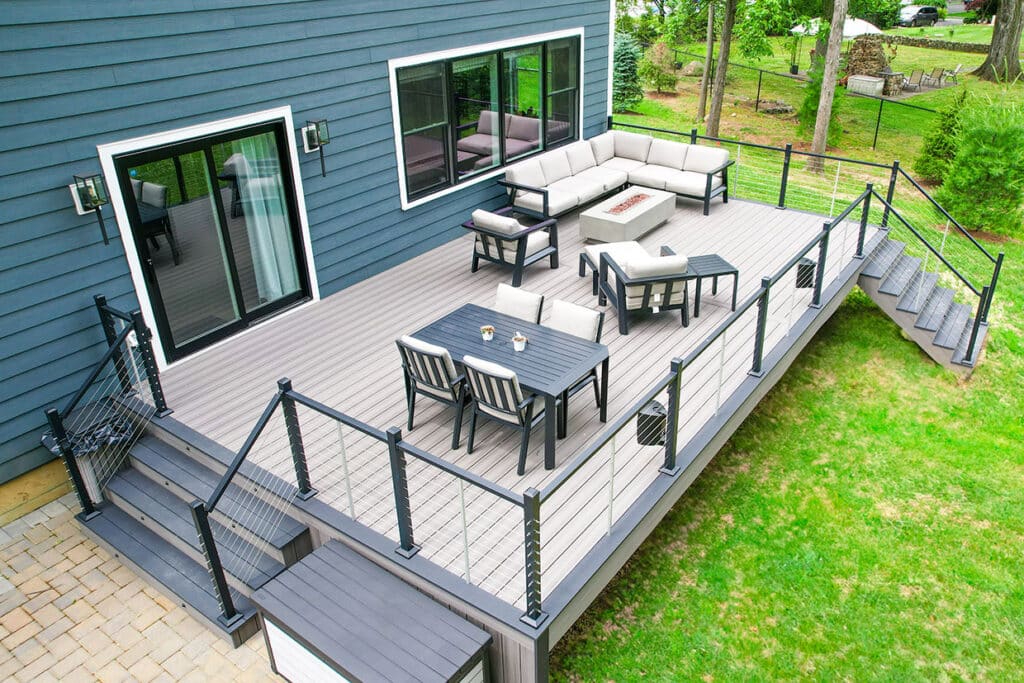
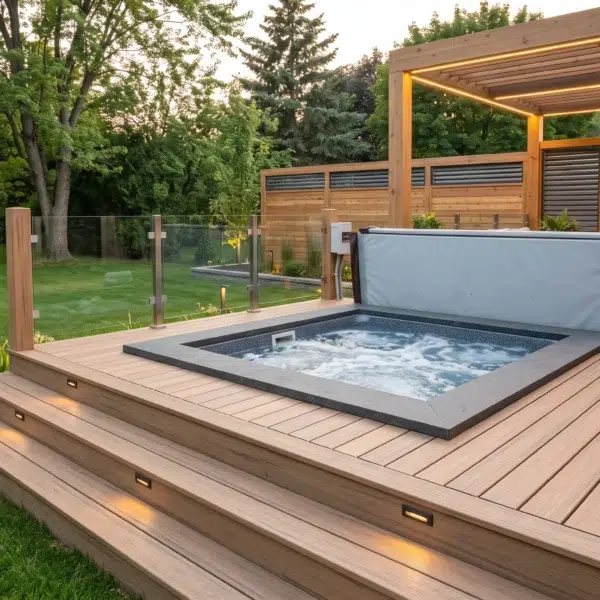
Composite decking is built from a blend of wood particles and plastic, and some products use recycled content or sustainably sourced wood fibers. Many composite decking products also feature a full cap that wraps around the entire board, giving stronger protection against mold and rot than partial capping. That construction can make composite an eco-friendly option in the right product line while also helping it resist fading, rotting, and splintering. For homeowners comparing it with traditional wood decking and other materials, it offers a more durable and lower-maintenance path.
For many homeowners, the appeal is not that composite is cheap. It usually is not the lowest-cost option upfront. The real benefit is that composite decking can reduce long-term maintenance. Some products require only occasional cleaning, and many full-cap boards offer better protection against mold and rot than partially capped boards.
PVC decking works in a similar direction. One of its key advantages is resistance to moisture, mold, and mildew, which makes it suitable for areas prone to water exposure. In coastal areas where salt air can accelerate wood rot, moisture-resistant PVC products can be an ideal choice. Although PVC usually has a higher initial cost than some wood options, its durability and minimal maintenance needs can create stronger long-term value.
When Deck Resurfacing Makes Sense
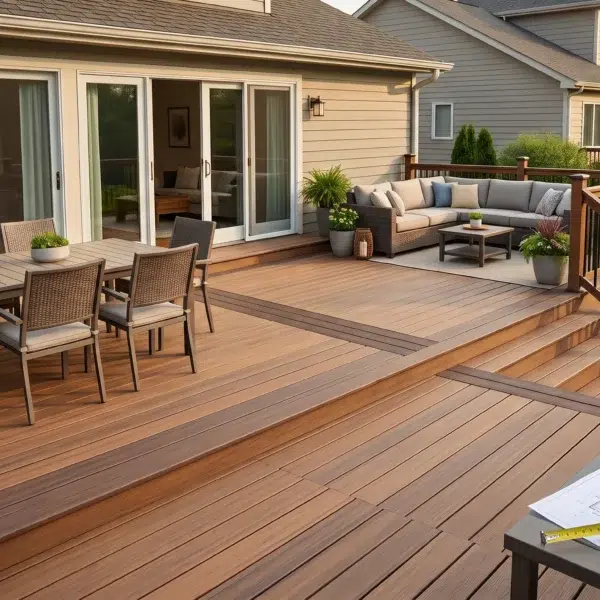
Here is where the project becomes practical. When resurfacing a deck makes sense, it can save real money because the frame, footings, and major structural components stay in place.
Resurfacing typically costs 30% to 60% less than a full deck replacement. Most resurfacing projects can also be finished in 3 to 5 days, while a full rebuild may take weeks and may require new permits.
That does not mean resurfacing is always the right material decision. Heavy-bodied coatings can seal cracks and lock down splinters on weathered boards, but only when those boards are still structurally sound. Resurfacing works when:
- the existing deck frame is structurally sound
- the joists are not rotting
- the surface damage is mostly cosmetic
- the homeowner wants a cost effective upgrade
- the new decking material fits the climate and use of the deck
Resurfacing can also reduce wood waste by reusing the existing pressure-treated frame.
Roof Replacement, Rot, and the Point Where Repair Stops Making Sense
There is a point where repair becomes wishful thinking.
If roof decking is soft, swollen, water-damaged, or no longer creating a stable surface, roof replacement may require replacing the decking layer, too. Shingles and tiles cannot protect a roof properly if the base underneath has failed.
The same applies to outdoor decking. If framing is compromised by rot, moisture, or insect damage, replacing boards will not protect the structure. A new surface over bad framing is still a bad deck.
That is why the right decking material cannot be chosen without checking what it will be attached to.
Cost, Maintenance, and the Best Material Choice
Cost, maintenance, and material performance tend to get simplified too early. Saving money at installation can make sense, but only if the long-term maintenance does not erase those savings. More durable materials may feel expensive at first, but they can change the cost picture once years of use, weather exposure, and upkeep are factored in.
| Project or material factor | Number or range | What it means for homeowners |
| Deck resurfacing savings vs full replacement | 30% to 60% less | Lower cost when the existing deck frame is sound |
| Typical resurfacing timeline | 3 to 5 days | Faster than a full rebuild in many cases |
| Best staining or coating temperature range | 50°F to 90°F | Spring and fall often give better curing conditions |
| Wood deck resale return | around 80% | Wood can offer a strong ROI when maintained |
| Well-maintained deck resale return | over 70% | Maintenance helps preserve value |
| Pressure-treated wood maintenance | annual or biannual | Requires washing, staining, and sealing |
| Cedar or redwood maintenance | every 1 to 3 years | Needs regular care to prevent deterioration |
Numbers help, but they do not replace judgment. A material that costs less at the start can become expensive if it keeps asking for attention. Frequent maintenance changes the real cost of the deck bit by bit. In that case, composite or PVC can be excellent choices for homeowners who want durability without a long list of upkeep tasks.
Choosing the Right Decking Material
The best decking material depends on how the deck has to perform. Moisture exposure, structure, budget, maintenance tolerance, and daily use should all shape the choice.
Pressure-treated wood is a reasonable option for homeowners who want a lower upfront price and are comfortable with regular care. Cedar and redwood bring natural warmth, but they need protection from the weather and wear. Hardwood is stronger and more durable, though the cost is higher. Composite decking and PVC are often preferred when homeowners want a cleaner maintenance routine, better moisture resistance, and a longer-lasting surface.
Roof decking materials require a more technical review. Plywood, oriented strand board, and metal decking must be judged by the roof structure, climate, roofing materials, and the quality of the installation.
If the deck’s existing structure is sound, resurfacing may make more sense than a complete rebuild. If the frame is failing, replacement is the safer one. For homeowners still weighing the difference, deck resurfacing guides can help clarify what belongs in a resurfacing project and what does not.
FAQ
What is roof decking?
Roof decking is the base layer installed across the roof framing. It gives roofing materials like shingles or tiles the support they need.
What are the best roof decking materials?
Plywood, oriented strand board, and metal decking are common roof decking materials. The right choice depends on the roof structure, climate, moisture exposure, and installation requirements.
Is pressure-treated wood good for decking?
Yes, pressure-treated wood can be a good choice when a lower upfront cost matters. It is not maintenance-free, though, and needs regular protection against moisture, rot, and insects.
Is composite decking better than wood decking?
Composite decking is easier to maintain and more resistant to rot and splintering. Wood decking has a natural appearance, but it usually needs more upkeep.
When should an existing deck be resurfaced?
An existing deck can be resurfaced when the supporting structure is still in good condition. The frame and joists need to be sound before new surface boards are installed.
When is roof replacement necessary?
Roof replacement may be necessary when roof decking or roofing materials are damaged beyond basic repair. Moisture damage, instability, and poor protection are common reasons.
Is any decking material maintenance-free?
No. Composite and PVC are low maintenance, not no maintenance. Wood and pressure-treated wood require more regular care to stay in good shape.
What is the most cost-effective decking option?
Pressure-treated wood usually has the lowest upfront cost. Composite decking may offer better long-term value because it tends to need less maintenance.