Professional front porch design guidance from Deck Guardian: Compare colonial house front porch ideas with modern alternatives to enhance your home’s curb appeal and property value. 💎
The front porch has always been more than a simple architectural feature. It serves as a welcoming gesture, a gathering room, and a defining element of curb appeal. For many homeowners, choosing the right porch style means balancing aesthetics with function while ensuring the addition complements the home’s broader architectural identity.
In New Jersey, colonial homes remain some of the most recognizable and admired. A colonial home front porch is steeped in history, echoing the values of symmetry, proportion, and traditional craftsmanship that shaped early American neighborhoods. By contrast, modern homes often emphasize open layouts, minimalist details, and an easy connection between indoor and outdoor living. These preferences give rise to different design approaches, especially when it comes to porches.
At Deck Guardian, we help homeowners bring these ideas to life with porch designs that respect the home’s architectural roots while enhancing comfort and value. Exploring front porch ideas for colonial homes alongside more streamlined, contemporary options like a modern colonial front porch reveals just how much the right choice impacts curb appeal and market value. A porch is not simply an add-on; it is an architectural bridge that unites style, lifestyle, and long-term property investment. Planning perfectly balanced porches ensures maximum usability and visual appeal.

Understanding colonial home architecture and porch requirements
Colonial architecture is admired for its symmetry, balance, and timeless appeal. When homeowners search for colonial house front porch ideas, they discover that porches are not optional accents but integral to the overall design. From a simple small portico to the grandeur of a 2 story colonial house with front porch, these elements reinforce proportion, elegance, and curb appeal. Because of this, exploring the right colonial house front porch ideas means blending function with tradition while respecting the home’s historical character.
In northern climates, porches provided shelter while allowing access to outdoor spaces without leaving the house exposed. In warmer regions, expansive porches turn the yard into a social space. According to Dwell, porches historically served not only as protection from weather but also as vital social spaces for families and communities.
Regional variations like the Charleston-style porch illustrate how climate and tradition shape colonial architecture. Some homeowners consider adding an extra cost for custom pediments or decorative details. Symmetry ensures that one side does not overpower the other side of the façade.
Key features of traditional colonial front porches
The hallmark of a front porch on colonial house designs is balance. Colonial homes are built on symmetry, and porches must align with that principle. A colonial style house front porch often features evenly spaced columns, a centered entryway, and rooflines that complement the steep gables of the main structure. As Historic New England notes, these design elements were intentionally developed to highlight symmetry and proportion as hallmarks of colonial architecture. These proportions create harmony and prevent the porch from feeling oversized or underwhelming.
The full front porch provides both visual balance and practical outdoor walk space. Materials also define authenticity. A colonial front porch is traditionally constructed of wood and brick, both of which connect back to early American building practices. These materials lend warmth, durability, and architectural integrity. Trim work, railings, and shutters are often understated, ensuring the porch enhances the façade without distracting from its form.
A colonial style front porch also prioritizes utility. In northern climates, smaller stoops or covered porches offer shelter from harsh weather, while front porches on colonial homes in warmer regions often expand into larger verandas designed for social interaction. These differences highlight how colonials adapt to climate yet preserve their defining order and restraint.
Popular colonial home front porch styles and variations
When brainstorming colonial home front porch ideas, homeowners encounter a spectrum of possibilities shaped by geography and architectural influence. Some designs emphasize simplicity, such as a modest covered stoop that maintains symmetry without excessive ornamentation. Others adopt wide verandas, offering an outdoor retreat that complements larger properties.
For those considering grandeur, colonial porch ideas often feature double-height entrances. A colonial with porch supported by classical columns draws inspiration from Georgian and Federal architecture, projecting formality and elegance. These porches make a powerful first impression while remaining consistent with traditional principles. Subtle modifications can change the character of the porch without compromising the home’s integrity. Maintaining balance is important for overall harmony.
Modern updates have also entered the conversation, but the best colonial style front porch designs still echo the symmetry, proportion, and restrained detailing that define this style. Whether opting for a simple portico or an elaborate veranda, the goal is always the same: a porch that feels like a natural extension of the colonial home. Porches are a great way to enhance curb appeal and invite neighborhood interaction.
👉 Partner with Deck Guardian to translate these modern principles into practical designs that complement your home’s architecture.
Modern home porch design principles to enhance curb appeal
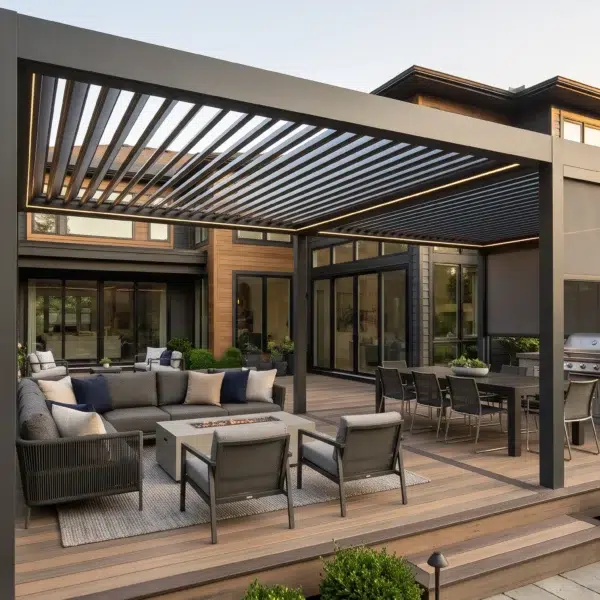
Modern homes emphasize simplicity, functionality, and a seamless connection between indoor and outdoor living. Unlike traditional colonial designs, contemporary architecture favors clean lines, open layouts, and minimal ornamentation. When considering a modern colonial front porch, the goal is to create an inviting outdoor space that complements the home’s geometric shapes and understated aesthetic.
Materials play a key role in modern porch design. Modern materials like composite decking are increasingly popular, with TimberTech emphasizing their durability and low maintenance compared to traditional wood. Durable, low-maintenance options such as composite decking, steel, and concrete allow homeowners to achieve a sleek look without sacrificing longevity. Sustainable and weather-resistant materials are often prioritized, reflecting both environmental consciousness and practical value. Integration with outdoor living is another hallmark: modern porches frequently accommodate seating areas, planters, or lighting that enhances usability year-round.
Even smaller porches can make a significant design statement by highlighting architectural geometry and fostering an indoor-outdoor connection. Using this approach, homeowners can transform limited yard space into a functional, stylish room.

Comparing colonial vs modern porch styles
Choosing between a colonial home front porch and a modern alternative involves weighing aesthetics, functionality, and long-term investment. Colonial porches emphasize symmetry, proportion, and historical detailing, while modern designs focus on minimalism, flexible layouts, and low-maintenance materials. Homeowners exploring front porch ideas for colonial homes often prioritize maintaining architectural integrity, whereas modern porches allow for more experimentation with shape, materials, and outdoor integration.
Both styles offer advantages. Colonial porches provide timeless curb appeal, a sense of tradition, and consistent resale value. In contrast, modern porches often offer enhanced usability, reduced maintenance, and alignment with contemporary lifestyles. Considering the front porch on colonial house versus a modern interpretation highlights the importance of balance: preserving heritage while accommodating practical needs.
Material choices and durability
Material selection significantly impacts longevity and upkeep. A colonial home front porch typically relies on wood and brick, offering authentic charm but requiring regular maintenance such as sealing, painting, or occasional repair. Traditional elements like columns and railings contribute to aesthetic appeal, but may demand attention over time.
Modern options, including composite decking, steel, and concrete, reduce maintenance while providing long-lasting durability. Incorporating these materials can preserve the look of a colonial house front porch ideas while enhancing weather resistance. Thoughtful combinations allow homeowners to achieve a colonial front porch design that meets modern standards without compromising historical integrity. A colonial style house front porch may also integrate these durable materials subtly, maintaining the traditional appearance with improved performance. Pin placement and column length and depth are key factors to ensure balance and stability.
Cost considerations and ROI
Budget is a key factor when selecting a porch style. Installing a colonial house with front porch design can involve higher upfront costs due to premium materials and detailed craftsmanship, but it typically yields strong resale value and timeless appeal. A modern colonial porch may require less maintenance, lowering long-term costs while allowing flexibility in design and layout. Understanding cost implications alongside aesthetic priorities helps homeowners make an informed choice that balances investment, style, and functionality. Always check the local permitting requirements to avoid unexpected delays.
👉 Contact Deck Guardian today for a free consultation, and let our experts design and install a porch that seamlessly complements your home’s architecture and lifestyle.
Design tips for choosing the perfect porch style
Selecting the ideal porch requires more than simply choosing a style that appeals visually. For homeowners aiming to enhance both comfort and value, a porch should complement the existing architecture, align with neighborhood aesthetics, and reflect personal lifestyle needs. When planning front porches on colonial homes, careful consideration of scale, materials, and detailing ensures the final design harmonizes with the home’s character.
Start by evaluating your property’s architectural features. Elements such as rooflines, window placement, and entry proportions influence which porch styles feel authentic. For a colonial home front porch, maintaining symmetry and traditional detailing is crucial, while a modern porch may allow more flexibility in layout and materials. Reviewing front porch designs for colonial homes online or consulting design guides can provide inspiration and clarify what is feasible within your space and budget. The porch should provide access to the room inside while complementing your yard layout.
Working with your existing home style
Preserving architectural harmony is essential when modifying or adding a porch. Using colonial front porch plans as a reference helps homeowners design additions that integrate seamlessly with the original structure. Whether enhancing a front porch colonial house or updating a colonial home with porch, subtle adjustments — such as matching column styles, railings, and roof pitches — can achieve the desired look without major reconstruction.
Careful attention to proportion ensures the porch does not overwhelm the façade. Materials should complement existing siding, trim, and foundation finishes, while scale must remain consistent with windows, doors, and rooflines. Planning the size of the porch in relation to the home ensures it feels balanced and provides a functional walk and outdoor room for everyday use.

Professional installation vs DIY considerations
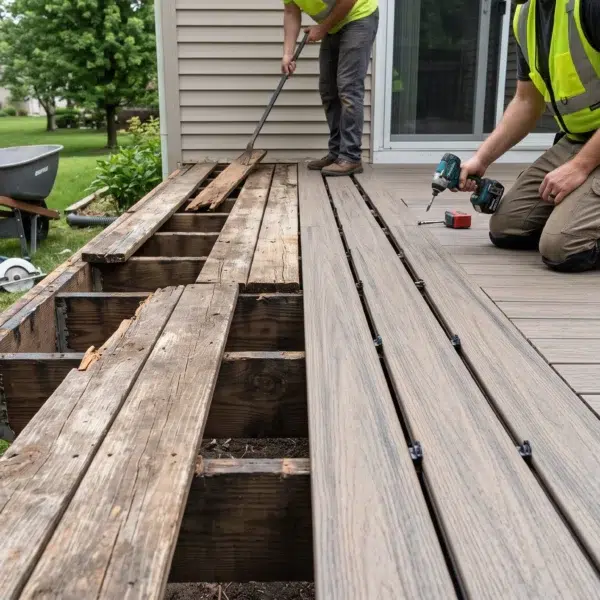
Adding a porch to your home can range from a straightforward project to a complex architectural undertaking. For many homeowners, deciding between a DIY approach and hiring professionals depends on experience, design complexity, and permit requirements. A colonial home front porch often involves precise alignment with the façade, accurate column placement, and attention to historical proportions—elements that may challenge even skilled DIYers. A porch remodel may seem straightforward, but precise alignment, proper material selection, and attention to proportion often make professional installation the safest and most effective choice.
Similarly, a front porch on colonial house designs must comply with local building codes and structural standards. Incorrect installation can compromise durability, aesthetics, and long-term safety. A colonial style front porch also demands careful material selection, including wood, brick, or composite alternatives, each with unique handling and maintenance needs.
⭐⭐⭐⭐⭐
“Deck Guardian was amazing. They took care of everything with the town and permits. They were professional from start to finish. Furthermore, they showed up when they said they would, completed the job in the time frame they estimated, and did high quality work. When the crew arrived, they checked in with us throughout the day, and were always polite. We would 100% recommend Deck Guardian.”
– Elizabeth H.
Conclusion and next steps
Choosing the right porch style is a critical decision for any homeowner. For traditional homes, a colonial home front porch ideas approach preserves symmetry, proportion, and historic charm. Modern designs offer clean lines, functionality, and low-maintenance materials, providing a contemporary alternative. Regardless of style, carefully assessing your home’s architecture and evaluating front porch ideas for colonial homes ensures that your investment enhances both curb appeal and long-term value.
Professional guidance is invaluable in this process. Deck Guardian specializes in designing and installing porches that seamlessly integrate with your home’s style, whether it’s a classic colonial or a modern aesthetic. Our team considers material selection, proportion, and functionality, delivering a finished product that is both beautiful and durable.
Transform your home’s exterior with a porch that blends style, function, and lasting value.
👉 Contact Deck Guardian today for a consultation and discover the perfect porch solution tailored to your home.