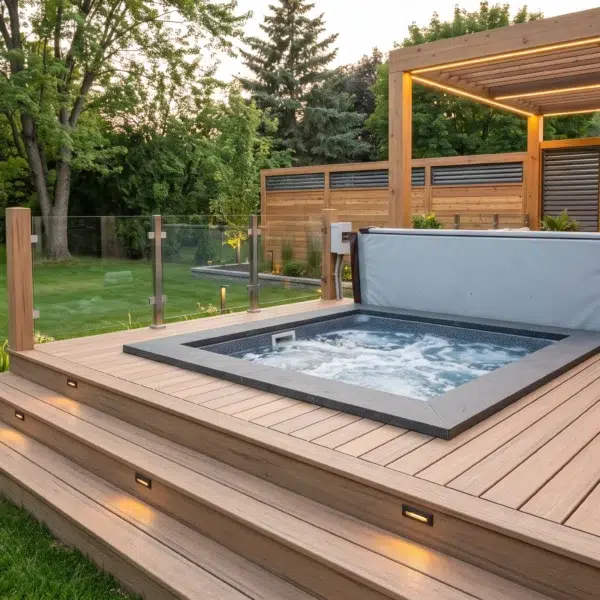
Cozy and Functional Covered Deck Ideas for a Beautiful Outdoor Space
Covered deck ideas range from permanent roofs to adjustable louvers, retractable awnings, and fabric canopies. The right option depends on whether you want shade during sunny afternoons, overhead rain protection, or the flexibility to uncover the deck. An open-sided cover does not create an enclosed room, so comfort still depends on temperature, wind, and the direction of rainfall.
At Deck Guardian, we help homeowners in New Jersey and Pennsylvania plan outdoor spaces around their homes, layouts, and everyday needs. This guide compares deck cover options and explains how to arrange seating, lighting, and privacy features beneath them.
Why You Should Consider Covering Your Deck
A well-positioned cover can make a deck more comfortable and give a seating or dining area a defined place in the yard. Its benefits depend on the type of cover and where you install it:
- Shade where you need it: Cover the area you use during the hottest part of the day, considering how the sun moves across the deck.
- Overhead rain protection: A suitable solid roof or rain-rated system can shelter the area beneath it, although wind-driven rain may still enter through open sides.
- Reduced exposure for furniture: Overhead coverage can limit direct sunlight and rainfall on furnishings. Outdoor-rated materials and appropriate storage are still useful.
- A more defined layout: Roof posts and cover edges can help organize dining and lounging zones. Plan them around furniture and walking routes.
Overhead coverage does not automatically provide privacy from neighboring yards. Add suitable side screens or curtains where needed, while preserving airflow and views you want to keep.

Fixed Roof Deck Ideas for Permanent Coverage
A fixed roof provides permanent overhead coverage and can be designed to complement the house. Compare roof shapes alongside drainage, support locations, and the amount of daylight you want to preserve in adjoining rooms.
- Gable roofs: A peaked roof can create an airy ceiling and suit homes with similar rooflines. Plan the roof height, intersections, and drainage as part of the overall design.
- Single-slope roofs: A roof that slopes in one direction can cover a deck beside the house. Its height and pitch must work with existing windows, doors, and the selected roofing material.
- Low-slope roofs: Often described as flat roofs, these still need a designed slope and drainage system. Their clean profile can suit a contemporary exterior.
- Pavilions and gazebos: A separate roofed structure can define a covered dining or lounge area. Its posts and foundations need their own support plan, whether it stands beside the deck or is integrated into it.
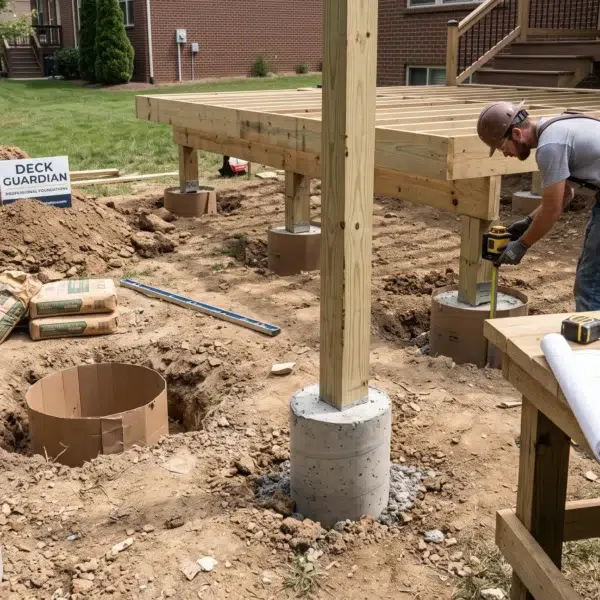
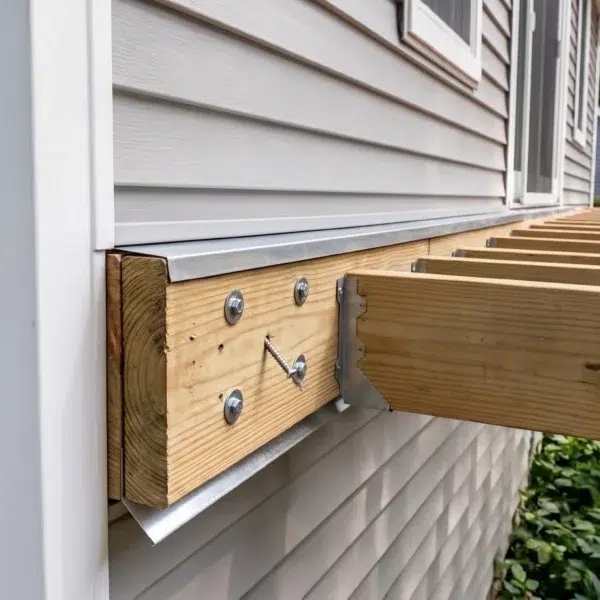
Before adding a roof to an existing deck, have the framing, connections, and foundations assessed for the proposed loads. Do not assume that a structure built to support decking and furniture can also support a roof.
Pergolas with Adjustable Louvered Roofs
Adjustable louvers let you change the amount of sunlight reaching the deck without removing the overhead structure. Open them for more light or angle them to shade a dining table or seating area as the sun moves.
A traditional open pergola provides partial shade; it should not be treated as a rain shelter. For a louvered system, check whether the closed roof is designed to manage rainfall and how its gutters and outlets direct water away from the deck.
Compare manual and motorized operation, maintenance access, and the manufacturer’s wind and snow requirements. Plan the posts around furniture and walking routes, and consider how the roof will affect daylight inside the house.
For design inspiration, explore our pergola ideas to see how a pergola can fit into your backyard layout.
Retractable Awnings and Canopies
A retractable awning or canopy lets you shade the deck when needed and uncover it when you want more daylight. This can work well for a seating area beside the house or a smaller deck where permanent overhead coverage would feel too enclosing.
Some awnings extend from brackets attached to the building, while retractable canopies run along a supporting frame. Compare the mounting requirements, projection, manual or motorized controls, and the shade provided at the time of day you use the deck.
Rain protection varies by product. For an example of product-specific limitations, review SunSetter’s guidance on awning use in wind and rain. Follow the instructions for your selected model rather than assuming every retractable cover can remain extended during changing weather. Assess the mounting structure before installation; siding or deck railing alone should not be assumed to provide suitable support.
Freestanding Deck Canopies
A freestanding canopy can define a covered dining or lounge area without attaching the cover to the house. Position its posts outside chair pullout space and walking routes, and choose dimensions that cover the furniture arrangement you intend to use. If you are planning a new deck, our guide to choosing the right deck size can help you allow space for furniture and circulation before positioning the canopy.
Compare fabric tops with rigid-panel systems according to the shade, rain protection, and maintenance you need. A seasonal fabric canopy and a permanent roofed structure have different installation and weather limitations.
Follow the specified anchoring method and confirm that the deck can accommodate the proposed installation. If you add curtains for privacy or low-angle sun, use accessories approved for the system and follow its instructions for windy conditions.
Shade Sails for Targeted Deck Shade
Shade sails use tensioned fabric between suitable anchor points to shade a selected part of the deck. Their shape and position can work around a seating area or an irregular layout, but coverage changes with the sun’s angle.
Distinguish between permeable shade fabric and products specifically designed to shed rain. A breathable shade sail should not be presented as a waterproof roof. Rain-shedding systems need the slope, tension, and drainage arrangement specified by the manufacturer.
Plan anchor locations before purchasing the sail. Posts, brackets, and supporting structures must suit the installation; existing railing posts should not be assumed to be adequate anchors. Coolaroo’s shade sail FAQs explain installation and care considerations for its products. Follow your selected product’s instructions for tensioning, maintenance, and removal during unsuitable weather.

Design Elements to Enhance Your Covered Deck
Start with the activity you want the covered area to support, then choose furnishings and finishes around it:
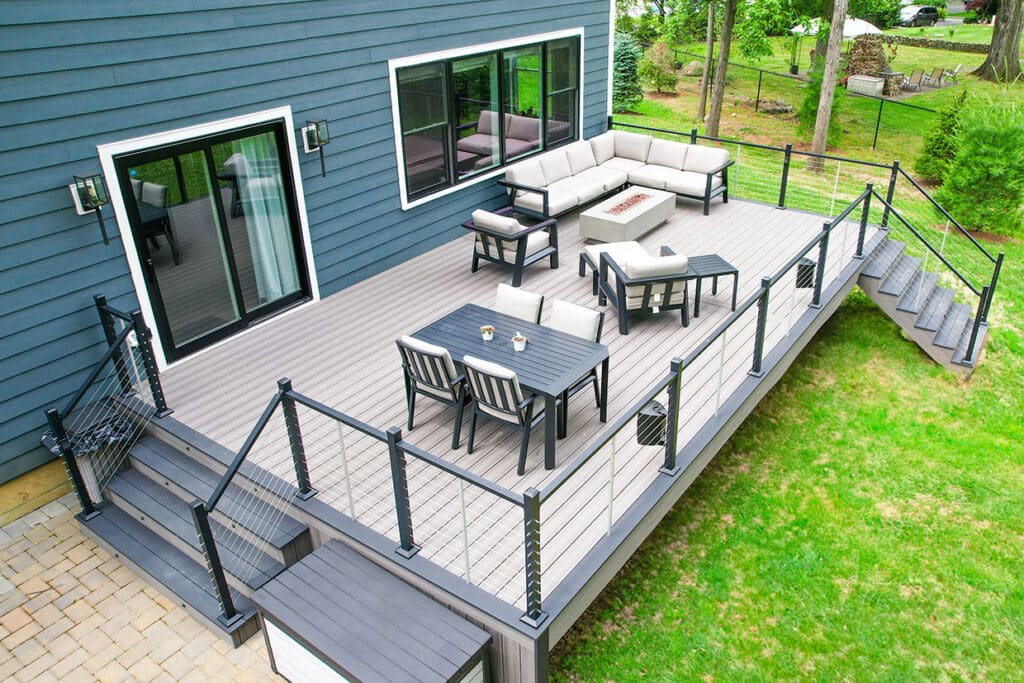
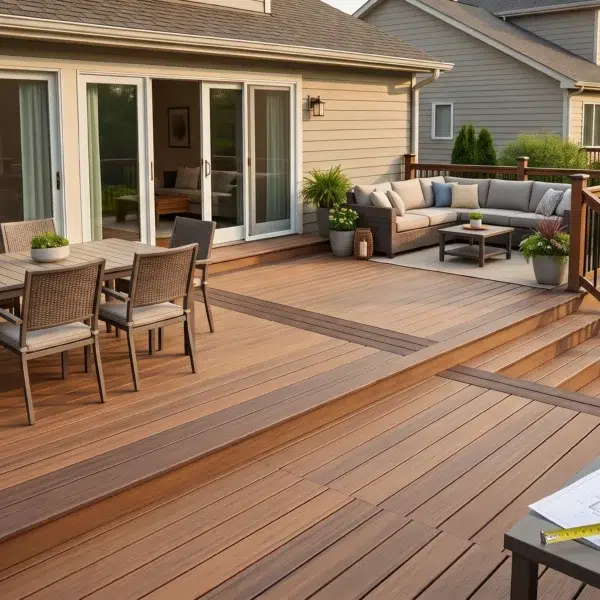
- For dining: Allow room to pull chairs out and walk behind occupied seats. Keep roof posts clear of the route between the table and the house.
- For lounging: Arrange weather-resistant seating around a conversation area, leaving access to stairs and doors.
- For evening use: Plan outdoor-rated lighting for seating, steps, and circulation. Recessed fixtures require a suitable ceiling assembly; string lights need appropriate supports.
- For privacy: Explore our deck privacy ideas to compare screens, curtains, and planting options for areas overlooked by neighboring windows or yards. Keep fabric clear of walking routes and follow the system’s wind-use instructions.
- For color and texture: Add planters and outdoor rugs compatible with the decking manufacturer’s care guidance. Preserve drainage and access for cleaning.
Choose finishes for the actual decking material. Wood may need a compatible exterior stain or sealer, while composite decking requires product-specific care. For pressure-treated boards, review this guidance on staining treated wood, and follow the coating manufacturer’s preparation and moisture requirements. A roof does not eliminate moisture, debris, or the need for regular cleaning.

Planning and Installing a Deck Cover
Before choosing a cover, confirm how it will attach, where its supports will stand, and whether the existing deck can accommodate the proposed loads. House connections, roof drainage, local wind and snow conditions, and permit requirements can affect the design.
Compare the full installed scope, including foundations, structural modifications, mounting hardware, drainage, electrical work, and any seasonal removal or storage. A lower-priced cover may still require substantial support work.
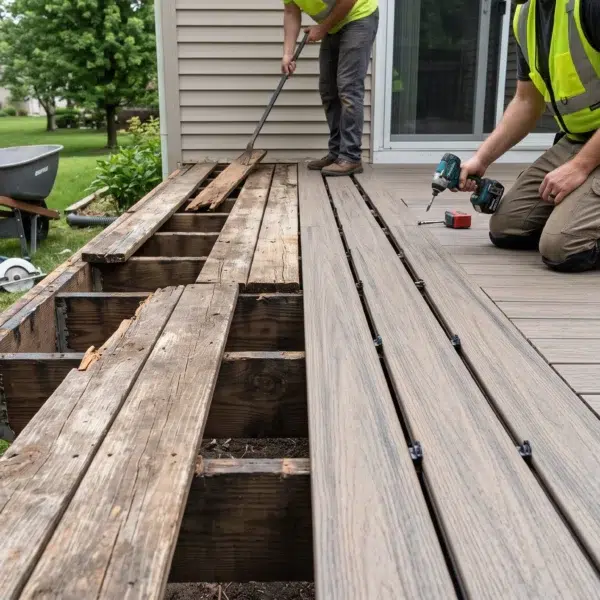
Some shade products are suitable for homeowner installation when their instructions and site requirements can be met. Seek professional help for structural attachments, new roof framing, uncertain support conditions, or work that requires a revised deck design.

Plan Your Covered Deck with Deck Guardian
The right deck cover should suit how you use the space, the shelter you need, and the structure supporting it. Whether you are planning a new deck or exploring coverage for an existing one, Deck Guardian can help you discuss suitable options for your home in New Jersey or Pennsylvania.
Schedule a free consultation to review your layout, preferred cover style, and project requirements.