Table of Contents
ToggleMost deck railing ideas look good when the photo is cropped tightly. A clean handrail, perfect light, no furniture in the way, no grill, no dog bowl, no kids leaning over the edge, no wet leaves sitting near the bottom rail.
Real decks are different. A deck railing has to look right, yes. But it also has to feel safe on stairs, hold up in bad weather, match the house, avoid blocking the best view, and make sense once the outdoor space is used every week. That is where a lot of dream deck inspiration starts to fall apart.
At Deck Guardian, railing is never treated as a small finishing touch. It is part of the deck’s structure, style, and daily function. The right railing system can make a deck feel open, finished, and comfortable. The wrong one can make the same deck feel boxed in, too modern, too busy, or harder to maintain than expected. Good railing ideas should not ask homeowners to choose between safety and style. They should make both work.
Deck Railing Ideas Should Start With Real Use, Not Product Photos
Before choosing cable railing, composite railing, aluminum, wood, glass, or wrought iron-inspired metal, it helps to slow down and look at how the deck will actually be used.
A front porch used every morning needs a different railing than a second-story deck facing a wooded backyard. A deck built for family dinners may need a wider top rail and sturdy posts. A balcony with a view may need slim balusters or horizontal cable railing. A porch connected to an older home may look better with traditional balusters than a sleek modern design.
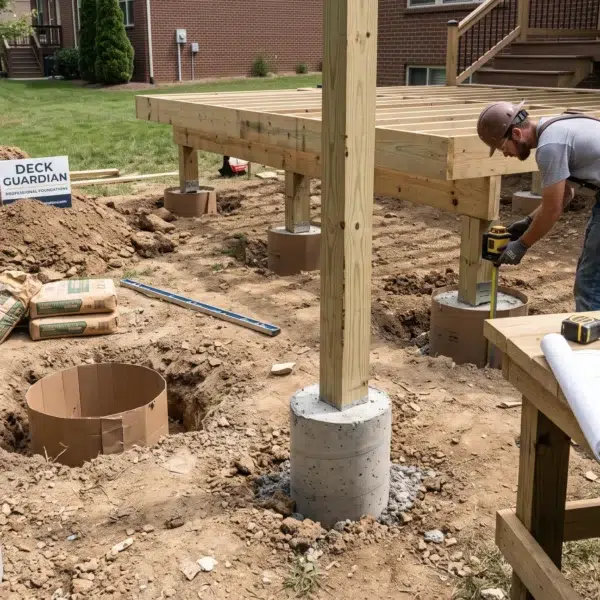
This is why how railing decisions fit into the deck building process matters. Railing affects post layout, stairs, guard rail placement, handrail comfort, rail kit selection, the installation process, and sometimes even framing. If it is chosen too late, the design can start to feel patched together.
The better approach is simple. Decide what the railing needs to do before deciding what it should look like. Does it need to keep the view open? Does it need to feel traditional? Will people lean on it while talking? Is the deck exposed to strong sun, shade, rain, snow, or salty air? Is the homeowner willing to paint wood, clean glass, or check cable tension? These questions matter even more for homeowners seeking a railing that feels suitable for daily use, not just good in one photo. They are not as fun as picking colors, but they save regret later.
Horizontal Cable Railing and Vertical Cable Options Work When the View Should Stay Open
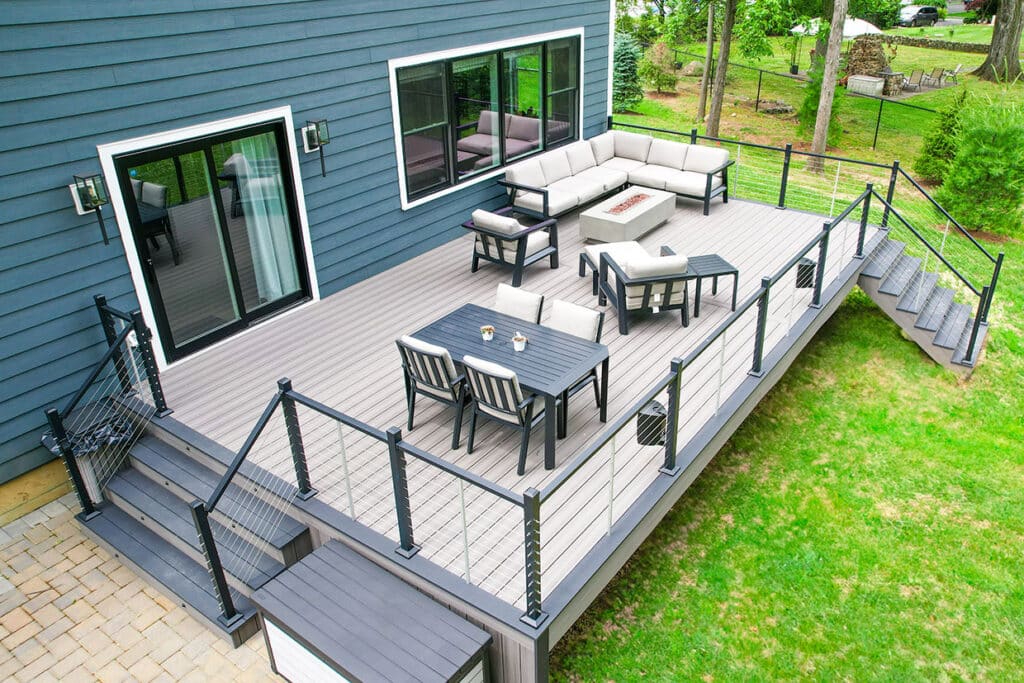
Horizontal cable railing is one of the first options homeowners notice when they want a clean, modern deck. It has a sleek look without feeling as solid as glass. The cable lines define the edge of the deck, but they do not block the yard the way thick balusters can.
That makes cable railing useful on elevated decks, wooded lots, lake-facing spaces, and any outdoor space where unobstructed views should stay open. It can also work nicely with wood, composite, or aluminum vertical posts, depending on the style of the house.
Still, cable is not just a design choice. It is a tensioned railing system, often made with stainless steel cables for strength, clean lines, and a minimally obstructed view. The cable, posts, fittings, fasteners, and top rail all have to work together to protect structural integrity. If the posts are weak or spaced poorly, the cable can sag. If the hardware is cheap, the clean look does not last. If the installation is off, the railing may not meet safety expectations.1
Vertical cable is another option, though it is less common. It can be useful when homeowners like the slim profile of cable but do not want strong horizontal lines across the deck. In either case, cable railing looks simple because the components are minimal. That does not mean the planning is simple. Cable can be beautiful. It just needs respect.
Composite Railing Makes Sense When Classic Style Matters on a Wood Deck
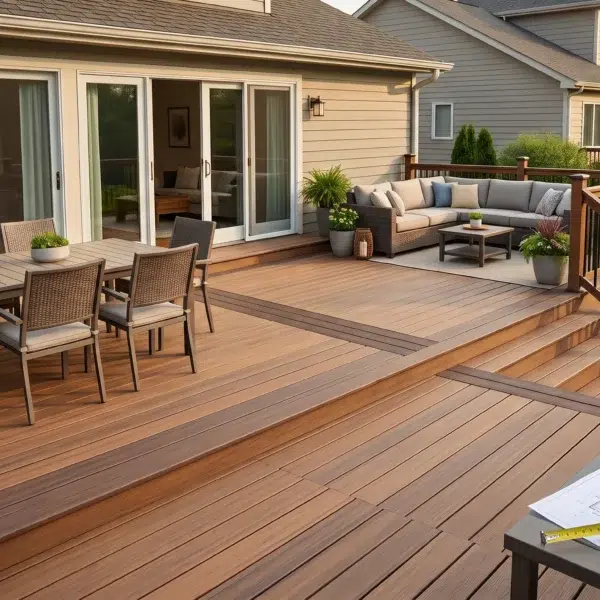
Composite railing is usually the safer visual choice for homeowners who want a familiar look without taking on the maintenance of painted wood. It works well on a composite deck, a cedar deck replacement, or a porch where the home needs something warm and traditional.
Composite materials often combine wood fibers with synthetic materials. The result is a railing that can mimic painted cedar or painted wood without the same risk of splintering, rot, or constant repainting. For Pennsylvania and New Jersey homes, that durability matters. High humidity and rain can cause traditional wood to rot, twist, or lose its shape over time, while synthetic materials like vinyl and composite reduce that risk.
A composite railing can also add visual interest without trying too hard: a darker top rail over white balusters, a white railing against brick, or a composite handrail that matches the floor. These details are small, but they help the whole deck feel intentional.
There is one catch. Composite railing often looks heavier than aluminum or cable. On a large deck that can feel stable and grounded. On a small porch, thick posts and bulky balusters can make the space feel tighter. The material is good. The proportions still have to work.
Aluminum, Metal, and Wrought Iron Looks Can Be Practical Railing Ideas
Aluminum railing is a good option when homeowners want something durable, low-maintenance, and visually lighter than composite. Powder-coated aluminum is weather-resistant, resists rust, and holds up well in humid, wet, and coastal conditions, including New Jersey’s humid summers, heavy winter snow, and salty coastal air.2 It also works with many styles, from modern decks to more transitional homes.
Black aluminum can almost disappear from a distance, especially when the view matters. White aluminum can match the trim, although it may stand out more against darker decking. Bronze can soften the look without going fully traditional.
Wrought iron-inspired railing can also look strong on brick homes, older houses, and certain front porch designs. True iron and standard steel come with more rust concerns, especially near salt air, so powder-coated aluminum or marine-grade stainless steel are usually better alternatives for exposed outdoor railings.
Metal pipe-style railing can add personality, but it is not for every home. The same goes for very thin metal balusters. They may look perfect on a modern horizontal deck and completely wrong on a traditional porch.
That is the point. Railing should complement the house. It should not look like it was chosen from a separate design universe.
Front Porch Railing Ideas Need More Restraint Than a Standard Rail Kit
A front porch is different from a backyard deck because everyone sees it first. It affects curb appeal before anyone notices the deck boards, furniture, or lighting. It also gets used in a more repetitive way. People walk up the stairs, hold the handrail, stand near the posts, and lean against the railing while talking.
For porch spaces where railing style and safety both matter, the railing has to match the home’s architecture. It also has to work with the surrounding exterior elements, from trim color to porch columns and masonry. A brick house may look good with a classic painted railing or dark metal. A farmhouse-style porch may need wood or composite balusters. A modern front porch can handle cable or aluminum if the rest of the exterior supports that choice, since cable railings can blend style, safety, and durability in contemporary porch designs.
Wood balusters can give a porch a softer, more traditional rhythm. Traditional balusters also help when the goal is to make the porch feel original to the house. Composite can create a similar look with less maintenance. Aluminum can work too, especially when the posts and handrail are not too thin for the scale of the porch.
The daily-use details matter here. The handrail should feel comfortable. The bottom rail should not trap water and debris. The posts should not crowd the stairs. If the railing is mounted near concrete steps or a porch slab, the attachment points need special attention. The railing should create safety without making the porch feel fenced off from the street. That balance is harder than it looks.
Glass, Cable Railing, or Balusters: Let the View Decide
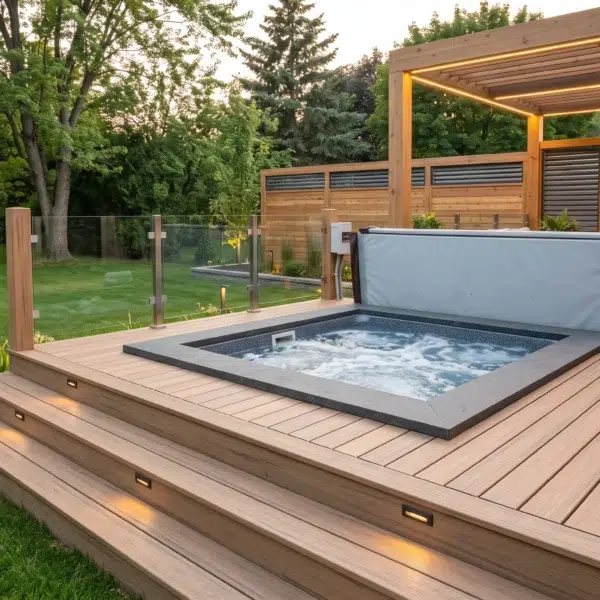
If the view is the main feature, glass or cable may deserve serious consideration. Glass keeps the view as open as possible. It lets the yard, trees, pool, or skyline take center stage. But glass also shows fingerprints, rain spots, pollen, dust, and streaks. It can look polished and expensive, but it asks for more cleaning.
Cable railing keeps the space open while still giving the deck a visible edge. Horizontal cable railing has a modern look, but it feels less formal than glass. For many backyards, that is the better fit.
Traditional balusters interrupt the view more, but they can feel safer, warmer, and more familiar. That matters on family decks, front porch spaces, and homes where privacy matters more than full transparency. Curved railings can also add visual interest when the deck shape allows it, especially when the goal is to soften a long, straight run.
One of the best expert tips is also the simplest: do not judge railing only from close-up photos. Stand inside the house and look out. Stand in the yard and look back. Look from the stairs. Look from where the table will sit. A railing that looks perfect from one angle may feel wrong from another.
Cost, Maintenance, and the Railing System Should Stay in the Conversation
Railing ideas can get unrealistic fast when cost and maintenance are ignored. The final price depends on material, railing length, stairs, posts, hardware, tools, installation, and whether the system comes as a rail kit or needs custom work. It also depends on how the railing will attach to the deck frame, stair stringers, porch structure, or existing posts.
Railing material | Typical cost range per linear foot | Maintenance level | Best daily-use fit |
Aluminum railing | $50 to $100 | Low | Modern and transitional decks |
Composite railing | $60 to $120 | Low | Classic decks with easier upkeep |
Cable railing | $80 to $150 | Low to moderate | Open views, balconies, and modern spaces |
Wood railing | Varies by lumber and finish | Higher | Traditional homes and custom porch details |
These are planning ranges, not fixed quotes. A long staircase, custom posts, premium hardware, an unusual layout, or a larger deck can change the final cost. DIY may lower labor costs, but only if the homeowner has the right tools and understands code, layout, and attachment points.
Maintenance should be just as honest. Wood may need paint or stain. Standard steel can rust, especially near salt air. Aluminum resists corrosion. Composite resists rot and fading. Cable needs periodic tension checks. Glass needs cleaning.
The best railing is not always the one with the lowest price. It is the one that fits the home, the weather, and the homeowner’s tolerance for maintenance.
The Best Railing Ideas Add Visual Interest Without Feeling Forced
A good railing does not feel added on. It connects the deck floor, stairs, porch, posts, handrail, and house into one complete design.
That might mean horizontal cable railing for a view-focused deck. It might mean composite railing for a classic porch. It might mean aluminum balusters with a simple top rail. It might also mean skipping a dramatic modern idea because the house needs something quieter.
Railing should add visual interest without creating daily annoyance. It should improve safety without closing off the outdoor space. It should handle weather, match the home, and still feel right after the first season of real use. That is the difference between a railing idea that photographs well and one that actually works.
FAQ
What are the best deck railing ideas for daily use?
The best deck railing ideas balance safety, maintenance, style, and visibility. Aluminum, composite, cable, wood, and glass can all work depending on the home, layout, and view.
Is cable railing good for decks?
Cable railing is good for decks where open views matter. It has a sleek modern look, but it needs strong posts, proper tension, and careful installation.
Is composite railing better than wood railing?
Composite railing is usually better for low maintenance. Wood railing still works well for traditional or custom projects, but it needs more upkeep.
What railing looks best on a front porch?
A front porch usually looks best with railing that matches the architecture of the home. Traditional balusters, painted wood, composite, and aluminum can all work.
Does aluminum railing rust?
Powder-coated aluminum is highly resistant to rust and corrosion, which makes it practical for humid, wet, and coastal areas.
Is horizontal cable railing safe?
Horizontal cable railing can be safe when it meets code, uses proper spacing, and is installed with strong posts and correct cable tension.
What is the most low-maintenance deck railing?
Aluminum and composite are among the lowest-maintenance choices. Cable can also be low maintenance, but the cable and hardware should be checked periodically.
Should railing be chosen before or after deck framing?
Railing should be considered during deck planning because post locations, stairs, rail kit layout, and attachment points can affect framing and installation.