

Enhance Your Deck with Stylish and Safe Railing Ideas
The right deck railing design should complement your home’s exterior, preserve the views you enjoy, and suit the way you use your deck. Wood railings bring natural beauty to a traditional deck, aluminum deck railing creates clean lines, and composite deck railing offers a painted appearance with less routine upkeep than wooden railings. Comparing these deck railing options helps you balance aesthetic appeal, maintenance, and everyday use.
Start with the setting. A small deck may benefit from slimmer posts and balusters, while a larger deck can accommodate more substantial railing designs. On elevated decks, consider how the deck railing affects the view from a seated position. Look at the entire outdoor space from inside the house, beside the dining table, and at the stairs to judge whether the railing’s proportions suit the deck.
At Deck Guardian, we help homeowners in New Jersey and Pennsylvania compare deck railing materials, layouts, and installation requirements. Whether you are planning a new deck or updating an existing one, this guide explains how different deck railing systems fit into the overall deck design.
Popular Deck Railing Materials
Deck railing is available in a variety of materials, with different profiles, finishes, and care requirements. Compare these six deck railing options to understand how different materials can influence your deck’s style and long-term upkeep.
Wood Railings for a Traditional Look
Wood railings suit traditional homes and decks where a painted or stained finish is part of the design. Cedar and pressure-treated lumber are options for wood deck railing, depending on the desired finish, budget, and exposure. Wooden railings also allow flexibility in post shapes, baluster patterns, and decorative elements.
For a traditional style, coordinate the wood deck railing with porch columns or exterior trim. Inspect wood railings regularly and refinish them as needed, especially where moisture collects around joints and horizontal surfaces. Wooden railings generally require more ongoing finish maintenance than aluminum or vinyl alternatives.
Aluminum and Metal Railings for Slim Profiles
Aluminum railing is worth considering when you want slender balusters, clean lines, and minimal maintenance beyond routine cleaning and inspections. These metal railings can suit modern and transitional house styles. Black can recede visually against a shaded yard, while white can coordinate with exterior trim.
Other metal deck railing options include steel and wrought iron. Wrought iron can complement older homes and decorative masonry, although its finish needs attention to limit corrosion. Compare metal railings by their coating, hardware, and exposure requirements. For coastal properties, check the manufacturer’s guidance on salt exposure rather than assuming all metal railings will withstand harsh weather conditions equally well.
Composite Railings for Classic Styles
Composite deck railing can provide the appearance of painted wood without the same refinishing routine. Some composite materials combine wood fibers and polymers, while others use different formulations. Reinforcement and installation requirements also vary between railing systems, so compare the specifications of the products you are considering.
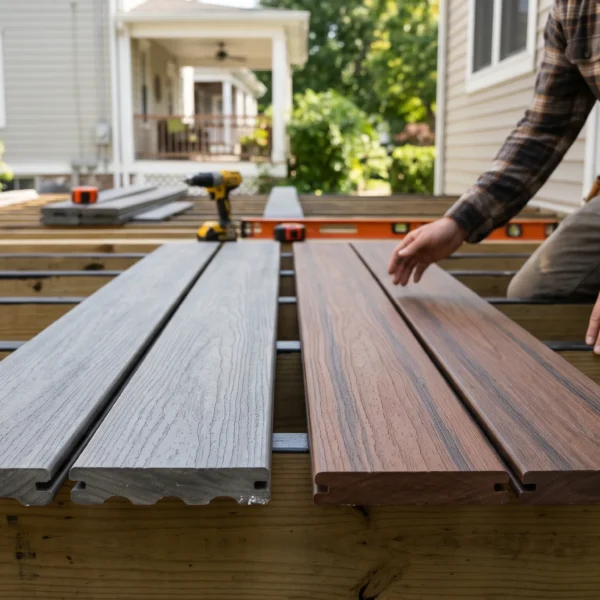
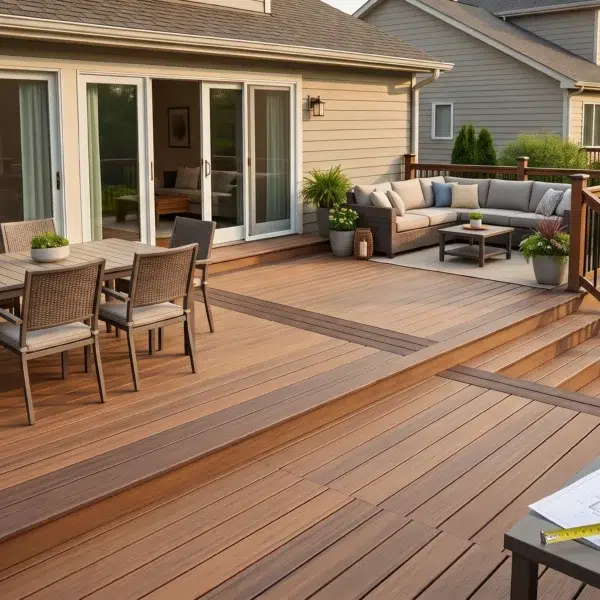
On a composite deck, white posts with a darker top rail can coordinate with both light and dark decking. Compare the deck railing profile with a deck board sample to assess color and scale. Substantial posts may suit a large deck but feel bulky around a compact seating area.
Cable Railings for Open Views
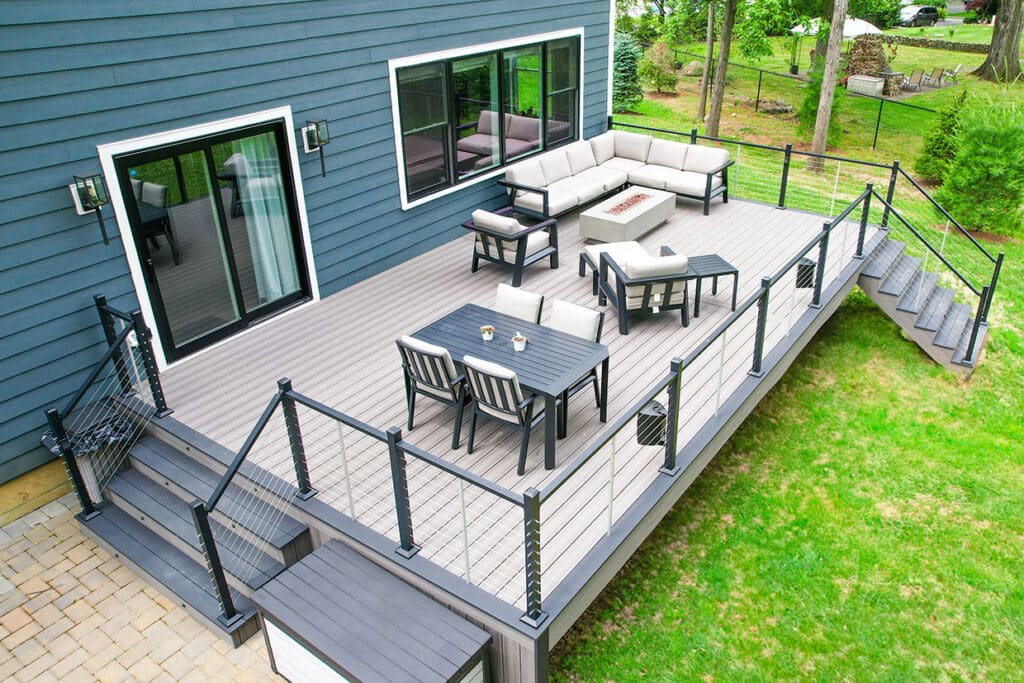
Cable railings use slender cables between posts to reduce visual obstruction. Many cable railing systems use stainless steel cables with wood or metal posts, creating a sleek and modern look. Horizontal cables emphasize the length of a deck, while vertical cable railings introduce a different visual pattern. Cable deck railing can help preserve near-unobstructed views without using solid panels.
Cable railings require compatible posts, fittings, cables, and attachments. The grade of stainless steel and the suitability of the hardware matter, particularly in exposed locations. Before choosing cable deck railing, confirm that the complete system meets local building codes and follow the manufacturer’s installation and tension-check requirements.
For examples of cable railings and other horizontal layouts, explore our horizontal deck railing ideas.
Glass Railings for Broad Views
Glass railings offer broad sightlines across a garden or landscape, with fewer interruptions than closely spaced balusters. Glass panels also allow natural light through the deck railing. Compare the amount of visible framing: substantial posts and top rails will interrupt the view more than systems with slimmer supports.
The tradeoff is cleaning: fingerprints, pollen, and water spots can be noticeable on glass panels. Compare framed and less-framed railing systems, and review panel specifications, attachment details, and maintenance requirements. Our guide to glass deck railings explains the advantages and limitations in more detail.
Vinyl Railings for a Painted Appearance
Vinyl deck railing can suit homes with light-colored trim and traditional exterior details. Available railing designs range from simple square balusters to more decorative profiles, making vinyl an option for several home styles. Compare reinforcement requirements, cleaning instructions, and approved applications before choosing. As with other deck railing systems, the complete assembly must be installed according to its specifications and applicable building codes.

Design and Aesthetic Considerations
Match the Railing Profile to the Deck
Compare the thickness of posts, top rails, and balusters with the size of the deck. Slim deck railing designs can help a compact space feel more open. Larger posts can complement a substantial deck or covered outdoor area, provided they do not crowd stairs or seating. The right deck railing design should support the deck’s aesthetics while leaving comfortable space for everyday activities.
Use Color to Connect the Deck and House
Choose a railing color that connects the deck with window trim, porch columns, or other exterior details. White deck railing can echo light-colored trim, while dark aluminum balusters create contrast against lighter decking. Two-tone railing designs, such as white posts with a darker top rail, can create visual interest while tying together the colors of the decking and exterior trim.
Compare Views from Everyday Positions
Look at the proposed deck railing from inside the house, from the yard, and from a seated position on the deck. Glass, cable railings, and slim balusters interrupt the view differently. Compare railing options against the actual background where possible. The right railing should frame the setting in a way you enjoy from the places you use most.
Coordinate Mixed Materials Carefully
A wood top rail with metal balusters or composite posts with contrasting infill can bring a variety of materials into one deck railing design. When combining different materials, use approved components with compatible connections and hardware. These railing designs should be planned early so that post locations and attachment details fit the deck design.
For a front porch, also consider how the railing relates to columns, masonry, and the entrance. See our porch railing ideas for examples focused on that setting.

Plan Your Deck Railing Budget
Compare the cost of complete deck railing systems rather than the price of individual railing sections. A quote should explain the railing length, number of posts, stair sections, gates if needed, hardware, labor, and any work required to prepare the attachment points. Ask whether the proposed railing systems include every component needed for your layout.
When replacing an existing railing, ask whether removal, disposal, and repairs to the supporting structure are included. Custom corners, changes in elevation, and longer stair runs can also affect the scope.
Consider maintenance alongside the initial deck railing price. Wood may need refinishing, glass needs cleaning to maintain clear views, and cable deck railing requires tension checks according to the manufacturer’s instructions. Compare deck railing options by both installation cost and ongoing care to find the right deck railing for your budget and routine.
Installation and Maintenance Tips
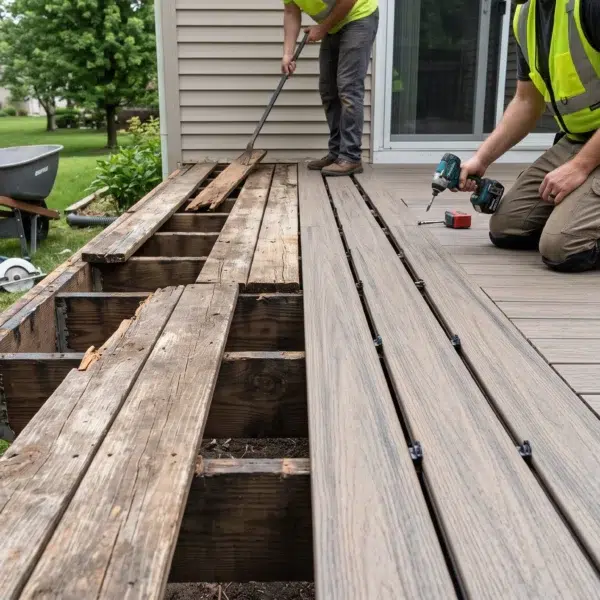
Choose the railing early enough to coordinate post locations, stairs, and attachment details with the deck design. Before replacing an existing system, have the supporting structure and connections checked for suitability. Do not attach new railing to deteriorated framing or reuse existing posts without confirming that they can support the proposed system.
A qualified installer should follow the deck railing manufacturer’s instructions and applicable local building codes. Cable, glass, composite, and metal railing systems can have different requirements for post spacing, reinforcement, fasteners, and connections. Confirm that the selected components are approved to work together in the proposed installation.
Maintenance should follow the product’s care instructions:
- Inspect wood for deterioration and maintain its protective finish as needed.
- Clean aluminum, composite, and vinyl with approved products.
- Check cable tension and fittings at the recommended intervals.
- Clean glass with products suitable for the panels and surrounding hardware.
- Arrange an inspection if posts move, fasteners loosen, or any component becomes damaged.

Enhancing Deck Safety
Confirm Guard and Handrail Requirements
Before selecting a deck railing, confirm which guard and stair handrail requirements apply to your project. Required dimensions, opening limitations, loads, and attachment details depend on the applicable building codes and project conditions. Homeowners can consult New Jersey’s current construction codes or Pennsylvania’s Uniform Construction Code resources as a starting point. Have your contractor confirm the requirements for your project with the local building department.
A deck guard and a stair handrail perform different functions. A broad decorative top rail should not automatically be treated as a suitable graspable stair handrail.
Plan Lighting Around Stairs and Walking Routes
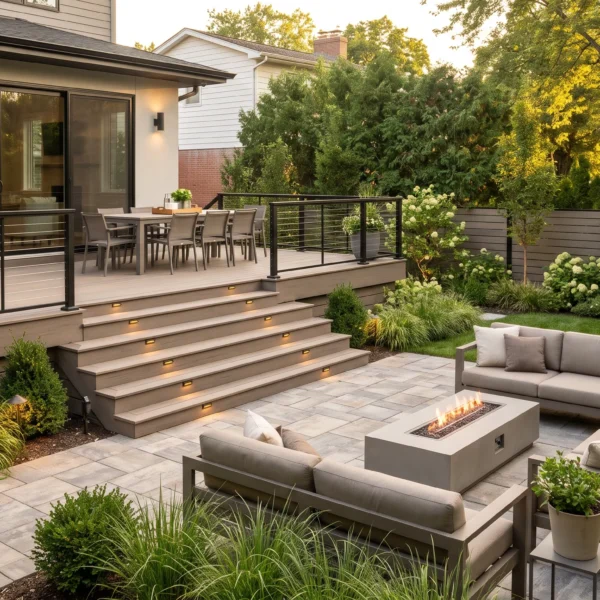
Post cap lights, stair lighting, and lighting beneath a compatible rail can help make the deck easier to navigate after dark. Position lighting fixtures to illuminate changes in level without creating glare, and coordinate wiring and installation with the product instructions and applicable electrical requirements.
If you add decorative string lights, follow the Electrical Safety Foundation International’s outdoor decoration safety tips, including using products marked for outdoor use and securing lights without damaging their cords.

Get Help Choosing Your Deck Railing
Bring photos of your home, approximate deck dimensions, and examples of railing styles you like. Deck Guardian can help you compare materials, coordinate the railing with your deck and stairs, and discuss the scope of installation.
Browse our completed deck projects for inspiration or request a free estimate to discuss your project.